
Modern mattress manufacturing includes a wide range of great technology and the finest detail of processes and techniques to ensure that a mattress supplier has the perfect choice of mattresses for a wide range of industries and applications. From domestic mattresses designed primarily for comfort through to contract bedding for hotels and B&Bs or a healthcare mattress with many sub-categories of mattresses for different patient and treatment requirements, there is a lot to consider.
Mattresses play a vital role in our lives, providing us with the comfort we need to get a good night’s sleep, to fully rest, recuperate, and recharge at the end of a very long day. Waking up refreshed is a great thing, but it is only achievable with a good mattress supplier. As there are many different types of mattresses to choose from, for different applications, and different techniques and processes to explore, this is a look at mattress manufacturing.
What are the materials used in mattress manufacturing?
The type of material used in the manufacture of mattresses will depend on the type of mattress, including:
Polyurethane foam mattresses – polyurethane foam is a cost-effective option used in many foam mattresses. It offers a basic level of comfort but also has high-density foam to support the core and help with a comfortable sleep. There are different levels of firmness available, from soft mattresses to firmer beds.
Memory foam mattresses – one of the most popular choices for those seeking pressure relief in mattresses is memory foam. It is known for its pressure-relieving properties and deep contouring to the body, helping those with painful joints or pressure points in the body. Memory foam absorbs movement and reduces motion transfer between partners.
Latex mattresses – natural latex is breathable and an eco-friendly choice of mattress that is durable and robust. Synthetic latex mimics the look and feel of natural latex, but it is more affordable. Blended latex is a good combination of the two; breathable, bouncy, and softer than natural latex.
Spring mattresses – Bonnell coils are the oldest and traditional spring system of mattresses, wider at the top and bottom, and they easily compress under pressure. Offset coils allow for greater flexibility under weight, creating a firm support and body contouring. Continuous and pocket coils have continued the improvement in spring mattresses, reducing pressure and improving comfort levels.
Once the materials have been chosen for the mattress, the next stage is to layer and assemble the mattress. Foam and latex mattresses are layered with softer materials on the top and firmer layers on the bottom to provide good support and comfort. Spring mattresses have coils positioned in the centre of the mattress, with fabrics chosen as the covering upholstery depending on the desired aesthetics, comfort, and protection.
Fabric welding and mattress manufacturing
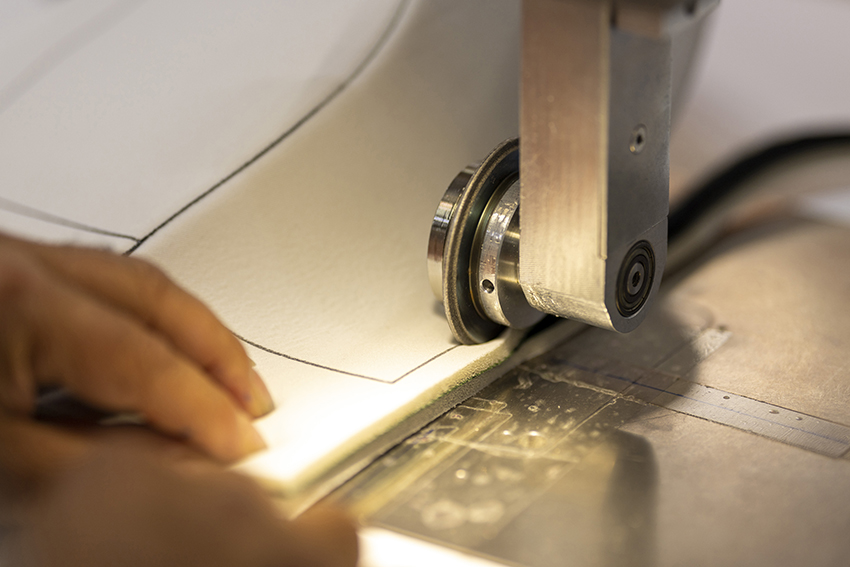
Fabric welding is a genuine and effective alternative to the sewing of synthetic textiles within mattress manufacturing. Fabric welding enables the seams of a mattress to be made in as robust a way as possible without stitching or any assembly marks. It creates a mattress that is strong, watertight, and made with the highest quality. HF (High Frequency) welding is used to produce pressure area care products. Ultrasonic welding and heat welding are other techniques used within the manufacturing process, too.
Quality control
Each mattress must go through an exhaustive quality control and testing process to ensure that it meets strict regulatory and comfort standards. Heavy machinery is used to press down mattresses to ensure they last for years. Sensors are used to determine how mattresses react to different weights and sleeping positions. Mattresses are also inspected for any stitching errors or defects.
The materials used, techniques, machinery, and the different processes all add up to a smooth process for a mattress supplier. From fabric welding to ensure that the integrity of the mattress materials is never in doubt, through to the final product, there are different stages that we’ve presented here for modern mattress production. You’ll find a wide range of mattresses available on the market today, each suitable for a different type of application. From domestic mattresses through to contract hotel bedding and a healthcare mattress, you’ll find the right mattress for your needs. As technology and the materials used in mattress manufacturing continue to develop and improve, the standard and quality of mattresses will continue to improve in the future.