
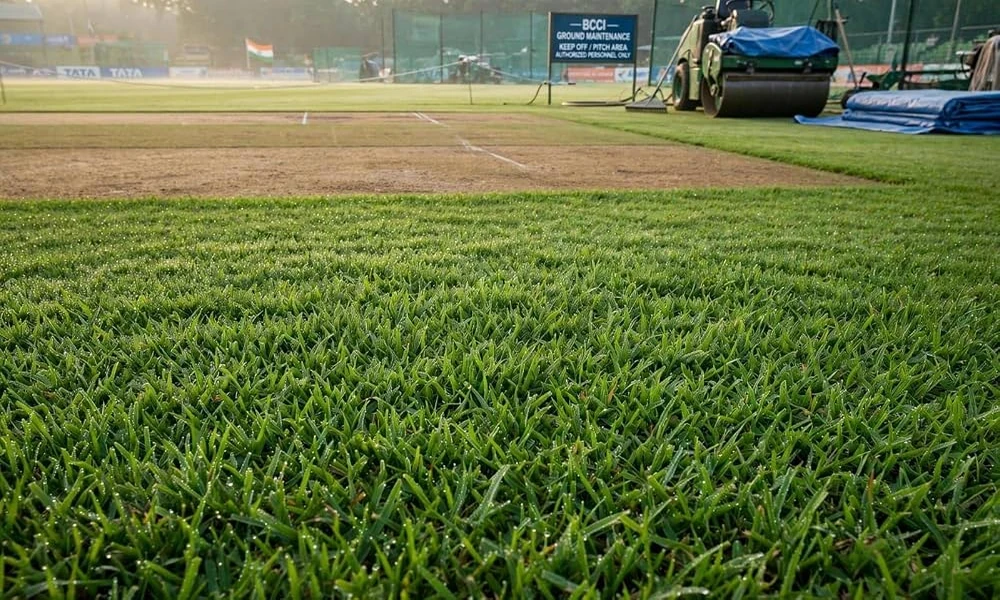
Picking a seed bag often feels simple until you read the label closely. Shoppers comparing texas grass seeds quickly notice some kernels wear a colourful outer shell. Others arrive plain, without any added layer around each seed. That outer shell can change price per pound, spreading habits plus early growth. Knowing what you pay for helps every lawn project start on solid ground.
What Seed Shells Are Usually Made Of?
Most shells combine clay or lime with a sticky binding material. Many blends also add moisture-holding polymers, mild fertilizer, or fungicide. Bright dyes make scattered kernels easier to spot on bare soil.
How Plain Seed Behaves After Sowing?
Plain seed carries no extra layer, so every pound holds more kernels. Growers must manage moisture carefully because nothing helps hold water near young sprouts. Its lower cost per kernel suits large acreage where budgets matter most.
Weight Changes How Much You Need
Shell material can make up roughly half of a bag’s total weight. Sowing amounts therefore need adjusting so lawns receive enough actual kernels.
- Check the label for the percentage listed as inert material.
- Covered bags often require nearly double the pounds per acre.
- Compare price per thousand kernels instead of price per pound.
- Larger covered kernels flow evenly through broadcast spreaders without clumping.
- Tiny bare kernels blend well with sand for better scattering.
Matching Seed Type to Your Project
Site conditions should guide your pick more than packaging claims. Buyers ordering texas grass seeds for dry, sunny ground often value the moisture help shells provide. Watering access matters more than almost any other factor here.
- Pick covered kernels when watering access remains limited after planting.
- Choose bare seed for large pastures where cost per acre matters.
- Either option works well when soil stays evenly moist daily.
| Kernels per pound | Fewer | More |
| Moisture support | Often included | None |
| Spreading | Easier and more even | Needs care with tiny seed |
| Sowing amount by weight | Higher | Lower |
| Cost per kernel | Usually higher | Usually lower |
| Visibility on soil | High due to dye | Low |
Each type has clear strengths depending on budget, watering access, or soil conditions. Comparing actual kernel counts reveals true value better than sticker price alone.
Answers to Common Seed Questions
- Do covered kernels sprout faster than plain ones? Not always, though moisture-holding layers can help during dry spells.
- Can I mix both types when sowing? Yes, but calculate rates separately since their weights differ significantly.
- Does the outer layer harm soil over time? No, most layers use clay or lime that breaks down naturally.
- Are covered bags worth paying extra for? They often pay off where irrigation is limited or uneven across the site.
Choosing with Confidence
Shell layers add moisture support while reducing how many sprouts each sack can produce. Plain options stretch further across wide acreage at a lower overall cost. Watering access usually decides which choice performs better on your site. Always adjust sowing amounts based on inert weight listed on packaging. Careful math paired with steady moisture will deliver thick green cover either way.