
Decarbonisation has become a central priority for governments, industries and investors seeking to address climate change while maintaining economic growth. As energy demand continues to rise, the focus has shifted towards practical and scalable decarbonisation low carbon solutions that reduce greenhouse gas emissions without compromising energy security. Decarbonisation based on low carbon solutions provides a structured pathway for industries, particularly energy intensive sectors, to transition towards a more sustainable future.
Understanding Decarbonisation and Low Carbon Solutions
Decarbonisation refers to the reduction of carbon dioxide and other greenhouse gas emissions across energy systems, industrial processes and infrastructure. Low carbon solutions are the technologies, strategies and operational changes that enable this reduction while supporting reliable and affordable energy supply.
Rather than relying on a single technology, effective decarbonisation is achieved through a combination of low carbon solutions tailored to regional resources, existing infrastructure and sector specific requirements.
Key Low Carbon Solutions Supporting Decarbonisation
Renewable Energy Integration
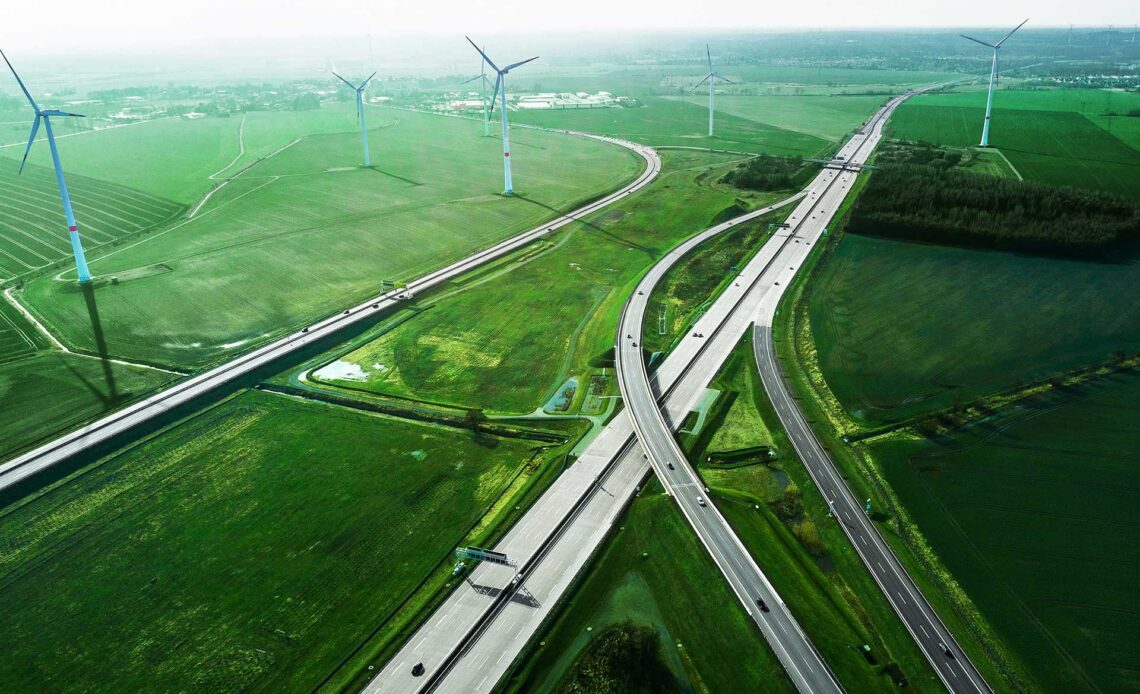
Renewable energy sources such as wind, solar, hydro and geothermal play a fundamental role in decarbonisation. By replacing fossil fuel-based power generation, renewables significantly reduce emissions while diversifying energy supply.
The integration of renewable energy into existing grids requires careful planning, system balancing and long-term investment, particularly in energy storage and grid infrastructure.
Energy Efficiency and Demand Reduction
Improving energy efficiency is one of the most cost-effective low carbon solutions. Upgrading equipment, optimising processes and improving building performance reduce energy consumption and associated emissions.
Energy efficiency measures deliver immediate benefits while supporting broader decarbonisation objectives across industrial, commercial and residential sectors.
Electrification of Industrial and Transport Systems
Electrification replaces direct fossil fuel use with electricity generated from low carbon sources. In transport, this includes electric vehicles and charging infrastructure. In industry, electrification supports low emission heating, processing and automation.
When combined with renewable power generation, electrification is a powerful driver of long-term decarbonisation.
Carbon Capture, Utilisation and Storage
Carbon capture, utilisation and storage, often referred to as CCUS, is a critical low carbon solution for sectors where emissions are difficult to eliminate. This includes heavy industry, refining and certain power generation assets.
CCUS enables continued operation of essential infrastructure while reducing net emissions and supporting transitional decarbonisation strategies.
Low Carbon Fuels and Hydrogen
Low carbon fuels such as bioenergy and hydrogen support decarbonisation in sectors that are challenging to electrify. Hydrogen, produced using renewable or low emission processes, is increasingly seen as a versatile energy carrier for power, transport and industrial applications.
Strategies for Energy and Industrial Sectors
Decarbonisation based on low carbon solutions requires a structured, portfolio driven approach. Organisations must assess emissions sources, identify the most effective solutions and prioritise investments based on cost, impact and feasibility.
This approach allows businesses to balance short term emissions reduction with long term transformation while maintaining operational resilience.
The Role of Policy and Investment
Supportive policy frameworks and access to investment are essential to accelerating decarbonisation. Carbon pricing, incentives and regulatory clarity encourage adoption of low carbon solutions and reduce investment risk.
Public and private collaboration plays a vital role in scaling technologies and delivering infrastructure needed for widespread decarbonisation.
Challenges and Opportunities
While decarbonisation presents technical and economic challenges, it also creates significant opportunities. Innovation, job creation and improved energy security are among the benefits of adopting low carbon solutions.
By investing early and strategically, organisations can gain competitive advantage while contributing to global climate objectives.
It is based on low carbon solutions offers a practical and achievable pathway towards a more sustainable energy system. Through renewable energy, efficiency improvements, electrification, carbon capture and low carbon fuels, industries can significantly reduce emissions while supporting economic growth.
As technologies mature and investment increases, low carbon solutions will remain at the core of global decarbonisation efforts, shaping a cleaner and more resilient energy future.