
What makes Nalgene different?
Standard and customised versions start from the same place. Tritan or HDPE, same wall, same lid, same everything off the line. What shifts is what happening after that. Custom Nalgenes bottles get marked, printed, engraved, or wrapped in ways a standard bottle never does. That gap sounds smaller than it actually is in practice. Once a bottle carries something specific to the person holding it, the whole relationship with that object changes. It gets treated differently. Replaced less. Held onto past the point where a plain one would have been tossed. Most people do not consciously register that shift happening, but it does. The difference between standard and custom is not just visual. It runs through how long the bottle stays in use and what it takes for someone to decide they no longer need it.
Are custom bottles better?
Better is not quite the right frame. More purposeful gets closer. A standard bottle handles hydration without anything extra attached to it, and it does that reliably. A customised version does the same while also carrying something that belongs specifically to the person or organisation it was made for. That layer changes things practically. Institutional programs, team environments, and professional settings consistently move toward customised formats not because the base bottle improves but because the modification gives it meaning in context. Standard works fine. Customised works fine and carries weight that a plain bottle never will. Most people who have used both tend to hold onto the marked one longer without thinking much about why.
Standard vs custom build
- A standard Nalgene leaves production with nothing added to its exterior. The surface is clean, uniform, and identical across every unit in that batch. No distinguishing mark, no colour variation, nothing beyond the base material.
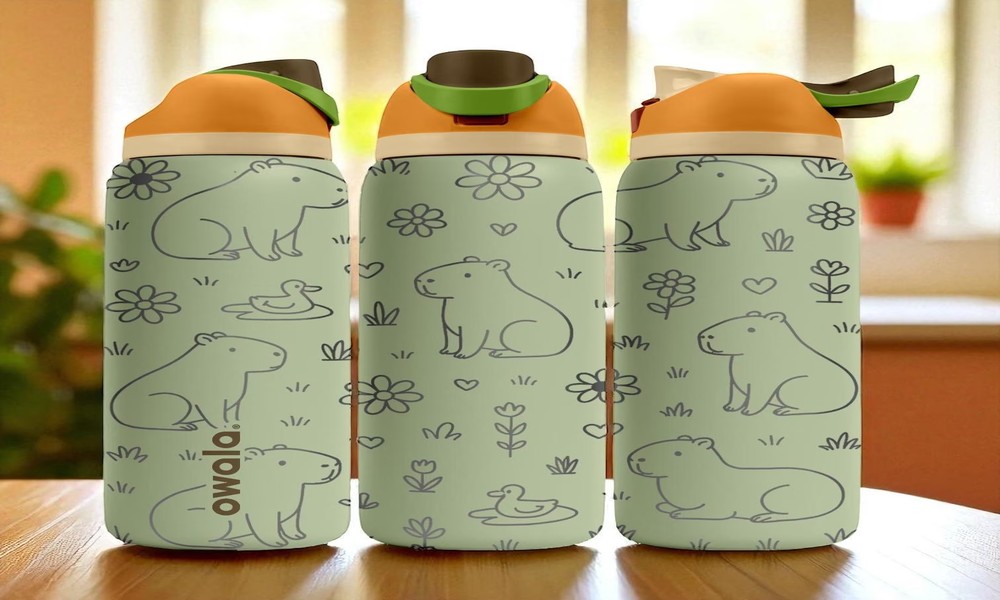
- A customised version starts from that same point, then goes somewhere else entirely. Laser engraving cuts into the surface, leaving a permanent recessed mark with no ink involved. Screen printing adds flat colour directly onto the exterior with strong visual contrast. Vinyl brings multi-colour complexity that neither of the other methods fully replicates.
Each produces a result that reads differently from the unmodified version in ways that go beyond appearance alone. One is built for function. The other carries function and identity in the same object without compromising either.
Which lasts longer?
Durability comparisons between the two formats are less straightforward than most people expect going in.
- Laser-engraved versions carry no added layer that could crack or peel, so long-term durability sits level with the base material itself.
- Screen printed finishes with UV-resistant inks and a protective topcoat hold colour through extended washing and outdoor handling without visible loss.
- Vinyl applications on correctly prepared surfaces resist peeling when proper adhesion processes are followed during production.
- Poorly finished customisation wears faster than the base bottle, while well-finished work matches or outlasts standard bottle lifespan in regular use.
A standard bottle ages in one predictable direction. A well-customised one ages just as well while still carrying everything it was marked to communicate on day one.
Choosing between standard and customised is really a question of what the bottle needs to do beyond holding liquid. One covers the functional requirement and nothing more. The other does the same while giving the person carrying it a reason to keep it around much longer.