
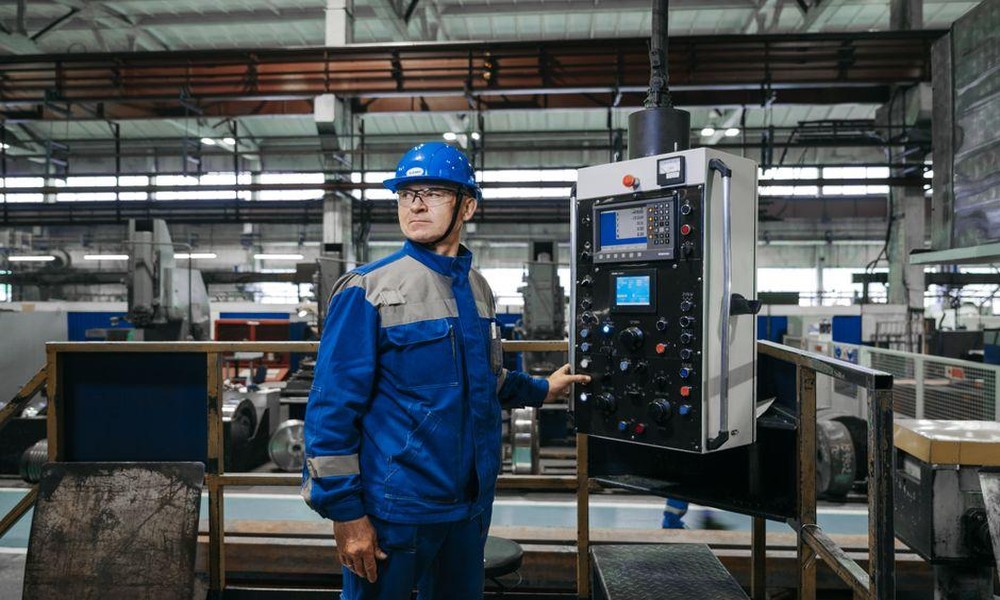
The Future of Advanced Composite MaterialsEvolution of Advanced Composites in Industrial Applications
Our modern world demands materials that are not just strong but also lightweight, durable, and highly efficient. Composite panels meet these exact needs, making them a cornerstone of innovation across countless industries.
From the sleek exteriors of modern buildings to the critical components within aircraft and vehicles, composite panels deliver superior performance and sustainability.
But what exactly goes into making these remarkable materials? How are they engineered to meet such diverse and demanding applications?
In this comprehensive guide, we will explore the fascinating world of composite panel manufacturing. We will delve into the various types of panels, the raw materials used, and the cutting-edge processes that bring them to life. We will also examine how manufacturers ensure top quality, comply with international standards, and address crucial sustainability factors. Finally, we will look at the latest innovations shaping the future of this vital industry.
The journey of composite panels from specialized materials to ubiquitous components in modern infrastructure is a testament to their versatility and performance. These engineered materials, formed by combining two or more constituent materials with different properties, offer a superior strength-to-weight ratio, enhanced durability, and design flexibility that traditional materials often cannot match. This has led to their widespread adoption across many sectors, fundamentally reshaping how we build, travel, and generate energy.
In construction, composite panels are transforming architectural design and building efficiency. From high-performance facade systems that offer superior insulation and weather resistance to structural elements in modular construction, they enable faster build times, reduced material waste, and improved energy efficiency. For instance, aluminum composite panels (ACMs) are a popular choice for exterior cladding due to their aesthetic appeal, lightweight nature, and ease of installation. Beyond aesthetics, they contribute to the structural integrity and longevity of buildings.
The transportation sector, encompassing automotive, rail, and marine industries, heavily relies on composite panels to reduce vehicle weight, improve fuel efficiency, and reduce emissions. In the automotive industry, lightweight composite components are crucial for electric vehicles to extend battery range. For rail applications, composite panels are used in interiors for their fire resistance, sound-dampening properties, and durability. In contrast, in marine applications, they offer excellent corrosion resistance and structural strength for hulls and superstructures.
Aerospace and defense applications are among the most demanding for composite panels. Here, the unparalleled strength-to-weight ratio of materials such as carbon fiber composites is critical to aircraft performance, fuel economy, and payload capacity. From fuselage sections and wing components to interior panels and cargo hold linings, composites are integral to modern aircraft design. Similarly, in defense, they are used in everything from ballistic protection to lightweight vehicle components, offering superior performance in extreme conditions. Companies like Albany Engineered Composites are at the forefront of developing advanced composite solutions for these high-stakes environments, pushing the boundaries of material science.
Furthermore, renewable energy initiatives, particularly wind and solar power, are heavily dependent on composite technology. Wind turbine blades, for example, are massive composite structures designed to withstand immense forces and fatigue over decades. Their lightweight yet incredibly strong construction is only possible through advanced composite manufacturing. In solar applications, composite panels can be used for mounting structures or as protective layers, providing durability and resistance to environmental degradation.
Even highly specialized environments like clean rooms benefit from composite panels. These applications demand materials that are non-shedding, easy to clean, and chemically resistant, making certain types of composite panels an ideal choice for walls, ceilings, and flooring. The ability to customize these panels for specific environmental controls and structural needs highlights their adaptability.
The demand for innovative solutions continues to drive the evolution of composite panel manufacturing. As we look to the future, the integration of advanced materials and sophisticated manufacturing techniques will only expand the horizons for these versatile components. For organizations seeking to leverage these cutting-edge materials, partnering with experts in custom composite solutions is essential. We, at Spaulding Composites, specialize in developing Spaulding advanced composite panels tailored to the unique specifications of diverse industrial applications, ensuring optimal performance and efficiency.
Material Science: Thermosets, Thermoplastics, and Core Technologies
The performance of a composite panel is fundamentally determined by its constituent materials: the matrix resin and the reinforcement fibers, as well as the core material in sandwich panel constructions. Understanding these choices is paramount, as they directly influence the panel’s mechanical properties, weight, fire resistance, and overall sustainability profile.
Composite panels typically consist of a matrix material (often a polymer resin) reinforced with fibers. These polymer matrices generally fall into two main categories: thermosets and thermoplastics.
Thermoset resins undergo an irreversible chemical reaction (curing) when heated, forming a rigid, cross-linked network. This makes them highly stable, heat-resistant, and excellent for structural applications requiring high strength and stiffness. Common thermoset resins include:
- Epoxy: Known for its excellent adhesion, mechanical properties, and chemical resistance, it is widely used in aerospace, automotive, and high-performance industrial applications.
- Polyester and Vinylester: More cost-effective, offering good mechanical properties and chemical resistance, often found in marine, construction, and general industrial products.
- Phenolic resins: Valued for their exceptional fire resistance and low smoke emission, making them critical in applications requiring stringent fire safety standards, such as mass transit and building interiors.
- Polyurethane (PU) and Polyisocyanurate (PIR) foams: These are often used as core materials in sandwich panels, providing excellent insulation properties. Hennecke-OMS PANELMASTER FLEX lines, for example, are designed for the continuous production of insulation boards with flexible facings and a core structure made of polyurethane, polyisocyanurate, or phenolic foam, boasting impressive production capacities of up to 4300 square meters per hour.
Thermoplastic polymers, in contrast, can be repeatedly melted and reformed when heated, offering advantages in recyclability and faster processing times (e.g., injection molding, thermoforming). While traditionally not matching the high-temperature performance of thermosets, advancements in high-performance thermoplastics are expanding their use in structural applications.
Here’s a simplified comparison:
Feature Thermoset Composites Thermoplastic Composites Curing Process Irreversible chemical reaction (curing) Reversible physical process (melting/solidifying) Heat Resistance High, maintains shape at elevated temperatures Can soften or melt at high temperatures Impact Strength Generally lower, can be brittle Generally higher, more ductile Recyclability Difficult to recycle due to cross-linked structure Easier to recycle (can be re-melted and re-processed) Processing Speed Slower (requires curing time) Faster (no curing time, rapid cooling) Cost Varies, can be higher for high-performance resins Can be lower for high-volume production Typical Use Aerospace, structural, high-performance, fire-rated Automotive, consumer goods, semi-structural, prototypes.
Reinforcement fibers are another critical component, providing the strength and stiffness.
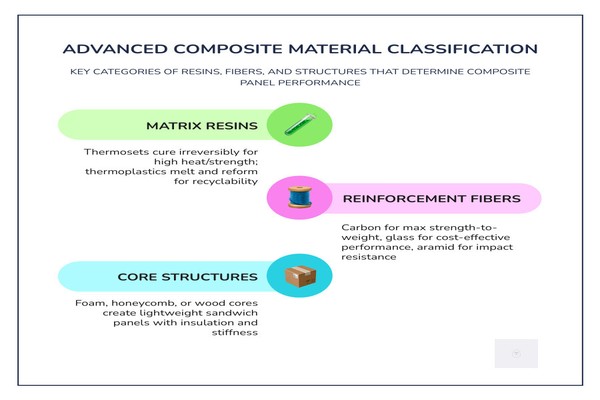
- Carbon Fiber: Offers exceptional strength-to-weight ratio, stiffness, and fatigue resistance. Primarily used in aerospace, high-performance automotive, and sporting goods.
- Glass Fiber: More cost-effective than carbon fiber, providing good strength, stiffness, and electrical insulation. Dominant in construction, marine, and general industrial applications.
- Aramid Fiber (Kevlar): Known for its high tensile strength, impact resistance, and vibration damping, it is used in ballistic protection and aerospace applications.
Core and Skin Options in Advanced Composites
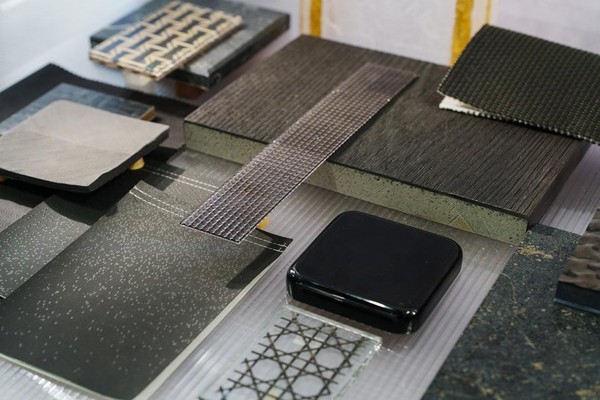
Beyond the matrix and reinforcement, the design of composite panels often involves a sandwich structure, where two thin, strong “skin” layers are bonded to a lightweight, thick “core.” This configuration maximizes stiffness with minimal weight.
- Aluminum Composite Panels (ACPs): These panels typically use two thin aluminum sheets as skins bonded to a non-aluminum core, often polyethylene or a mineral-filled fire-retardant material. They are popular in architectural facades and signage due to their flatness, durability, and wide range of finishes. Companies like Alusign are prominent manufacturers of these panels.
- Honeycomb Cores: Materials like aluminum, aramid paper (Nomex), or thermoplastic polymers can be formed into a honeycomb structure. This geometric configuration offers excellent shear strength and stiffness while maintaining minimal weight, making it ideal for aerospace and high-performance applications.
- Foam Cores: Polyurethane, PVC, or PMMA foams are lightweight and offer good insulation properties, often used in marine, recreational vehicles, and construction.
- Wood-based Panels: These represent a significant segment of the composite panel industry, especially in construction and furniture. Examples include:
- Plywood: Layers of wood veneer bonded together with adhesive, with grains oriented perpendicularly in successive layers for strength.
- Particleboard: Made from wood particles (chips, shavings) bonded with resin under heat and pressure.
- Medium-Density Fiberboard (MDF): Composed of wood fibers, resin, and wax, pressed into dense panels.
- Engineered Wood Products: This category includes advanced wood composites like Mass Ply Panels, which are veneer-based structural composite lumber (SCL) offering high strength and sustainability. The Composite Panel Association represents the North American wood-based composite panel and decorative surfacing industries, promoting standards like the Eco-Certified Composite (ECC) for environmental stewardship.
The choice of core and skin materials significantly impacts a panel’s performance characteristics. For example, a mineral-filled core enhances fire resistance, while a honeycomb core minimizes weight for aerospace applications. The growing emphasis on sustainability also drives material selection, favoring options with lower environmental impact, recyclability, or those sourced from renewable resources.
Manufacturing Processes and Design for Manufacturability
The transformation of raw materials into high-performance composite panels involves a diverse array of manufacturing processes, each optimized for specific material types, production volumes, and performance requirements. These methods vary significantly in terms of production speed, quality control, and overall cost, offering manufacturers flexibility in meeting diverse market demands.
One of the most widely used methods for producing large, flat panels, especially wood-based and some insulated foam panels, is continuous pressing. This process involves feeding raw materials (e.g., wood particles mixed with resin or foam components between facings) into a continuous press, where heat and pressure are applied to cure the material and form a solid panel. The Siempelkamp ContiRoll® continuous press, for instance, is a leading technology for particle board production, enabling high-volume, consistent output. Similarly, Hennecke-OMS PANELMASTER FLEX lines use continuous processing to produce polyurethane sandwich panels, achieving high production rates for insulation boards.
For more specialized or complex geometries, lay-up manufacturing (often hand lay-up or automated fiber placement) is common. This involves manually or robotically placing layers of reinforcement fabric (pre-impregnated with resin, or “prepreg”) into a mold. This method offers high flexibility in fiber orientation, allowing engineers to tailor strength and stiffness to specific load paths. After lay-up, the part is typically cured under heat and pressure, sometimes in an autoclave (a pressurized oven) for optimal consolidation and void reduction, or increasingly, through out-of-autoclave (OOA) methods using vacuum bagging and oven cures to reduce costs and increase part size capabilities.
Compression molding is another key process, particularly for producing complex, high-volume parts with excellent surface finish. This involves placing a pre-measured amount of composite material (often a sheet molding compound or bulk molding compound, consisting of chopped fibers and resin) into an open, heated mold cavity. The mold is then closed, and pressure is applied to force the material to conform to the mold shape. This method is highly efficient for producing intricate components, offering both cost and weight savings for complex parts fabricated in high volumes with short cycle times.
Other advanced manufacturing techniques include:
- Resin Transfer Molding (RTM) and Vacuum Assisted Resin Transfer Molding (VARTM): Dry fibers are placed in a closed mold, and liquid resin is injected or drawn into the mold to impregnate the fibers before curing. These methods offer good part quality and can be automated.
- Pultrusion: A continuous process for creating constant cross-section profiles (e.g., rods, beams). Fibers are pulled through a resin bath and then through a heated die to cure and form the desired shape.
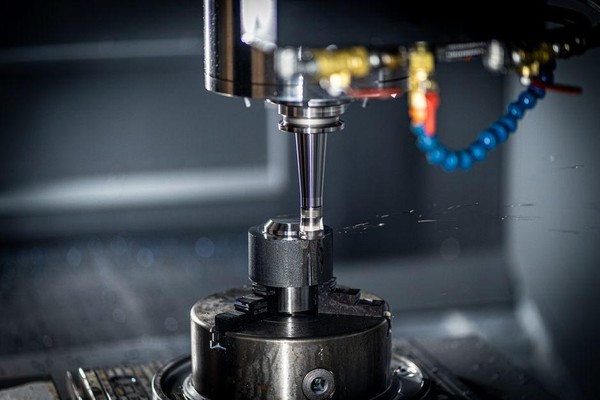
- CNC machining: While not a primary manufacturing process for forming the composite itself, CNC machining is crucial for precisely trimming, drilling, and shaping cured composite panels and components to final dimensions. This advanced capability enables the realization of tight tolerances and complex designs, as demonstrated in the fabrication of various composite components.
- Injection molding: Primarily used for thermoplastic composites with chopped fibers, offering very high production rates for smaller, complex parts.
Each process has its unique advantages. Continuous pressing excels in high-speed, large-volume production of flat panels. Lay-up and RTM offer design flexibility for complex structures, with OOA methods reducing capital expenditure. Compression molding is ideal for high-volume, complex part production. Selecting the appropriate process is a critical engineering decision that balances desired performance, production scale, and cost targets. Our expertise in transforming industries with state-of-the-art thermoset composite materials allows us to guide clients through this selection, ensuring the most effective manufacturing pathway.
Optimizing Speed and Quality with Advanced Composites
In the dynamic world of composite panel manufacturing, balancing cost-effectiveness, rapid prototyping, on-time delivery, and customer-specific customization is a constant challenge. Manufacturers must employ sophisticated strategies and technologies to meet these demands without compromising quality or structural integrity.
Rapid prototyping plays a pivotal role in accelerating product development. By leveraging advanced simulation tools and additive manufacturing (3D printing) for molds or prototypes, companies can quickly iterate designs, test concepts, and gather feedback before committing to expensive production tooling. This significantly reduces lead times and development costs.
Design for Manufacturing (DFM) principles are fundamental. By considering manufacturing constraints and capabilities early in the design phase, engineers can optimize part geometry, material selection, and assembly processes. This leads to designs that are easier, faster, and more cost-effective to produce, while still meeting performance requirements. For example, designing components that can be produced via continuous processes, such as those from Hennecke-OMS, which can achieve production capacities of up to 4300 square meters per hour, can drastically improve speed and cost-efficiency in suitable applications.
Tooling optimization is another critical aspect. High-quality, durable tooling is essential for consistent part quality and long production runs. However, tooling can be costly up front. Manufacturers often use modular tooling, reconfigurable molds, or even 3D-printed tools for lower-volume production to manage these expenses.
For customer-specific customization, flexibility in manufacturing processes is key. Companies must be able to adapt their production lines to accommodate varying panel sizes, material combinations, and aesthetic finishes. This might involve using versatile equipment, implementing quick-change tooling, or maintaining a highly skilled workforce capable of executing bespoke designs. For instance, Freres Mass Ply Panels can be manufactured up to 11′-10″ wide and 48′ long, demonstrating the capability for large-scale customization in engineered wood products. Documents like the MASS PLY DESIGN & CONSTRUCTION GUIDE provide detailed specifications for such customizable structural components.
Scaling composite panel manufacturing for large projects or specialized applications presents its own set of challenges.
- For large projects, the main hurdles include ensuring consistent material supply, managing large-scale logistics, maintaining uniform quality across thousands of panels, and coordinating complex installation schedules. Solutions involve robust supply chain management, automated quality control systems, and modular design approaches that enable prefabrication and faster on-site assembly.
- For specialized applications such as clean rooms, marine environments, or high-tech environments, the challenges often center on stringent performance requirements (e.g., chemical resistance, specific fire ratings, dimensional stability). Solutions involve specialized material formulations, advanced processing techniques (like high-precision compression molding for intricate parts), and rigorous testing protocols to ensure compliance with industry-specific standards.
Success in this demanding environment hinges on a holistic approach that integrates advanced materials science, intelligent design, efficient manufacturing processes, and a commitment to continuous improvement.
Quality Assurance, Standards, and Environmental Sustainability
Ensuring the quality, structural integrity, and compliance of composite panels is paramount for their widespread adoption and performance in critical applications. Manufacturers adhere to rigorous quality assurance protocols and international standards throughout the entire production lifecycle, from raw material inspection to final product testing.
Quality Control and Structural Integrity: Manufacturers implement multi-stage quality control checks. This typically begins with inspecting incoming raw materials and verifying their specifications against procurement standards. During production, in-process monitoring systems track parameters like temperature, pressure, resin flow, and fiber alignment to ensure consistency. For example, in continuous pressing operations, sensors continuously monitor product dimensions and density.
Post-production, comprehensive testing is conducted to validate the structural integrity and performance characteristics of the finished panels. This includes:
- Mechanical Testing: Tensile, compressive, flexural, shear, and impact resistance tests are performed to ensure the panel can withstand anticipated loads and stresses.
- Dimensional Stability: Measurements are taken to confirm panels meet specified tolerances for flatness, thickness, and overall dimensions.
- Adhesion Testing: For sandwich panels, peel-strength tests are critical to ensure a robust bond between the core and skin materials.
- Non-Destructive Testing (NDT): Techniques such as ultrasonic inspection, thermography, and X-ray are used to detect internal flaws, voids, or delaminations without damaging the panel. Modern ultrasonic methods, for instance, can ensure part quality in out-of-autoclave-manufactured parts.
Compliance with International Standards: Adherence to international standards is crucial for market acceptance and safety. Key standards bodies include:
- ASTM International (formerly American Society for Testing and Materials): Develops and publishes voluntary consensus standards for a wide range of materials, products, systems, and services. Many composite material test methods and product specifications are under the purview of ASTM.
- EN Standards (European Norms): Similar to ASTM standards, these are European standards that specify performance and testing requirements, particularly relevant for products sold in the European Union.
- Fire Safety Standards: Critical for construction and transportation applications. Standards like NFPA (National Fire Protection Association) in the U.S. and various EN standards define requirements for flame spread, smoke density, and fire resistance. Materials like phenolic foam cores are specifically chosen for their inherent fire-retardant properties.
- LEED Certification (Leadership in Energy and Environmental Design): While not a material standard, LEED is a widely recognized green building certification program. Composite panels can contribute to LEED points through their energy efficiency (insulation), recycled content, local sourcing, and low-VOC emissions. Some aluminum composite panels, for example, are noted for their contribution to LEED projects.
Sustainability and Environmental Considerations: The composite panel manufacturing industry is increasingly focused on minimizing its environmental footprint.
- Recyclability: While thermoset composites have historically been challenging to recycle due to their cross-linked nature, new technologies are emerging for chemical recycling or pyrolysis to recover fibers and energy. Thermoplastic composites offer better recyclability as they can be remelted and reprocessed.
- Renewable Energy Use: Manufacturers are investing in renewable energy sources to power their facilities. RMK Industries, for instance, powers its facilities with solar panels, generating over 19,000 MWh of clean energy and avoiding more than 8,000 tons of carbon emissions.
- Emissions Control: Manufacturing processes, particularly those involving resins and wood products, can generate air emissions. Facilities employ advanced pollution control equipment, such as regenerative thermal oxidizers (RTOs) that neutralize over 99% of air pollutants, and solvent recovery systems. Strict adherence to environmental regulations, such as those detailed in EPA’s AP-42, CH 10.5: Plywood Manufacturing, is essential for responsible operation.
- Eco-friendly Certifications: Certifications such as the Eco-Certified Composite (ECC) standard, promoted by the Composite Panel Association, assess the life-cycle and carbon footprint of composite wood panels, ensuring environmental stewardship. The use of chrome-free chemicals and lead-free paints in coating lines further reduces the environmental impact.
- Waste Reduction: Optimizing material utilization, implementing efficient cutting and nesting strategies, and finding uses for manufacturing by-products (e.g., using wood waste for biomass energy) are key strategies for waste reduction.
By integrating robust quality assurance, adhering to stringent standards, and embracing sustainable practices, the composite panel manufacturing industry continues to evolve into a responsible, high-performing sector.
Frequently Asked Questions about Advanced Composites
As the applications for advanced composite panels expand, so does the curiosity about their fundamental properties, manufacturing processes, and adherence to industry benchmarks. Here, we address some common questions to provide a clearer understanding of these innovative materials.
What are the main differences between thermoset and thermoplastic composites?
The primary distinction between thermoset and thermoplastic composites lies in the chemical nature of their polymer matrices and their response to heat.
Thermoset resins, once cured, undergo an irreversible chemical reaction that forms a rigid, cross-linked molecular structure. This means they cannot be remelted or reshaped once hardened. Their advantages include excellent high-temperature performance, dimensional stability, and resistance to creep and solvents. Common examples are epoxy, polyester, vinylester, and phenolic resins. The curing process typically involves heat and/or pressure for a specific period, resulting in a permanent structural change.
Thermoplastic polymers, on the other hand, do not undergo such a permanent chemical change. They can be repeatedly melted and solidified, much like plastics. This characteristic makes them inherently recyclable and enables faster processing methods such as injection molding or thermoforming. While some high-performance thermoplastics can offer good mechanical properties and impact resistance, their upper-temperature limits are generally lower than those of thermosets, as they soften or melt above those temperatures. Examples include polypropylene (PP), polyethylene (PE), polyamide (PA or nylon), and polyether ether ketone (PEEK).
How does design for manufacturing (DFM) reduce composite production costs?
Design for Manufacturing (DFM) is a proactive approach that integrates manufacturing considerations into the product design phase. For composite production, DFM significantly reduces costs by:
- Optimizing Material Usage: DFM encourages designs that minimize material waste by efficiently nesting parts, selecting appropriate material forms (e.g., prepreg width, fabric weave), and specifying only the necessary material properties.
- Simplifying Part Geometry: Complex geometries can increase tooling costs, manufacturing time, and scrap rates. DFM aims for simpler, more manufacturable shapes, reducing the need for intricate molds or excessive post-processing.
- Streamlining Assembly: Designs are optimized to reduce the number of individual components and simplify assembly steps, potentially integrating multiple functions into a single composite part. This can include designing for automated assembly or reducing the need for fasteners by incorporating features directly into the molded part.
- Reducing Tooling Costs: By designing for standard tooling sizes, reusable molds, or simpler mold structures, DFM minimizes the initial capital expenditure for production tooling. For prototyping, utilizing methods that don’t require full production tooling, such as machining from billet stock, can also save costs.
- Enabling Faster Production: Designs that are compatible with high-speed manufacturing processes (e.g., continuous pressing, automated lay-up, compression molding) can significantly reduce cycle times and increase throughput.
- Improving Quality and Reducing Rework: By anticipating potential manufacturing issues during design, DFM helps prevent defects, reducing the need for rework, repairs, and costly scrap.
DFM ensures that composite components are not only functional but also economically viable to produce at scale.
What standards govern the fire resistance and structural integrity of composite panels?
The fire resistance and structural integrity of composite panels are governed by a complex web of national and international standards, tailored to their intended application and industry. Various organizations develop these standards to ensure safety, performance, and reliability.
For structural integrity, key standards include:
- ASTM International (American Society for Testing and Materials): ASTM publishes thousands of standards covering material properties (e.g., tensile, flexural, shear strength), test methods for composites, and specifications for various composite products. Examples include standards for determining the mechanical properties of composite materials under different loading conditions.
- EN Standards (European Norms): In Europe, EN standards provide similar comprehensive guidelines for testing and performance, ensuring products meet specific structural requirements for construction, transportation, and other sectors.
- ISO (International Organization for Standardization): ISO standards are globally recognized and often harmonize with national or regional standards, providing a common framework for quality management and product specifications.
For fire resistance and safety, standards are particularly critical in construction, aerospace, and mass transit:
- ASTM Fire Test Standards: ASTM E84 (Surface Burning Characteristics of Building Materials), ASTM E119 (Fire Tests of Building Construction and Materials), and ASTM E1354 (Heat and Visible Smoke Release Rates) are commonly referenced for building materials.
- NFPA (National Fire Protection Association): NFPA codes and standards, such as NFPA 130 (Standard for Fixed Guideway Transit and Passenger Rail Systems) and NFPA 285 (Standard Fire Test Method for Evaluation of Fire Propagation Characteristics of Exterior Non-Load-Bearing Wall Assemblies Containing Combustible Components), are crucial for transportation and building facades.
- EN Fire Classification Standards: European standards such as EN 13501-1 (Fire classification of construction products and building elements) provide a comprehensive system for classifying the fire performance of building products.
- FAA Regulations (Federal Aviation Administration): For aerospace applications, strict fire safety regulations (e.g., FAR 25.853) dictate material flammability, smoke emission, and heat release rates for aircraft interior and exterior components.
Manufacturers conduct extensive testing, often in third-party accredited laboratories, to demonstrate compliance with these standards. This ensures that composite panels perform as expected under real-world conditions, providing confidence in their safety and durability.
Conclusion
The world of composite panel manufacturing is a dynamic, innovative landscape that continually pushes the boundaries of materials science and engineering. From the diverse array of panel types and their applications across critical industries like construction, transportation, and aerospace, to the intricate selection of raw materials and sophisticated manufacturing processes, every aspect is geared towards creating high-performance, durable, and sustainable solutions.
We’ve explored the fundamental differences between thermoset and thermoplastic composites, the crucial role of core and skin options, and the various manufacturing techniques-from continuous pressing to advanced out-of-autoclave methods-that dictate production speed, quality, and cost. The emphasis on quality assurance, adherence to international standards, and a strong commitment to environmental sustainability are not just industry best practices but essential components of responsible manufacturing.
The future of advanced composite materials is bright, marked by ongoing innovations in material science, automation, and sustainable practices. As industries continue to demand lighter, stronger, and more efficient materials, composite panels will remain at the forefront of innovation, driving progress across countless applications.
Spaulding Composites brings decades of experience in thermoset composite materials, engineering support, and manufacturing under one roof. From material selection and CAD review to prototyping and production, we help OEMs develop composite parts that perform reliably in the real world. We understand the complexities of material expertise, risk reduction, and production scalability, ensuring our clients receive optimal solutions tailored to their specific needs.
Ready to explore how advanced composite panels can transform your next project? Request an engineering review with our experts today.