
You already know speed wins. What you need is a set of moves that trims minutes at every step without blowing out cost or quality. I help operators cut lead time by attacking the simple things first, then aligning people, process, and systems around a clear delivery promise.
If you manage ecommerce fulfillment decisions, you face trade-offs every day. The recommendations below come from patterns I see working across fast-growing brands. I focus on levers you can pull within weeks, not months. You will see where to place inventory, how to tighten cut-offs, how to pick and pack faster, and when a specialist like Pacificomm gives you an edge.
Start With the Delivery Promise
Before you speed up the warehouse, fix the promise you make to customers. Set realistic delivery windows by lane and service. Match cut-off times to actual carrier pick-ups and linehaul schedules. If you promise what your network can hit nine times out of ten, conversion improves and service tickets drop.
- Define standard, express, and same-day where it makes sense
- Tie each promise to a carrier service you can measure
- Publish order cut-offs by day of week and region
Place Inventory Closer to Demand
Fast delivery starts with fewer kilometers. If most orders ship to the North Island, stock those SKUs in an Auckland facility. Split SKUs only if your volumes justify it and you can maintain accuracy.
- Use last 90 days of order heat maps to assign primary nodes
- Keep top 20 percent SKUs closest to your largest demand
- Avoid splitting slow movers across multiple warehouses
Tighten Inbound and Dock-to-Stock
Shaving a day off receiving speeds up delivery during peak weeks. Clean inbound flows lead to faster picks and fewer backorders.
- Use advance shipment notices with SKU and quantity detail
- Pre-label cartons and pallets with barcodes your WMS reads
- Target dock-to-stock within 24 hours for fast movers
- Separate quality checks from putaway to keep flow moving
Optimize Slotting and Picking
Walking time kills speed. Put high-velocity SKUs within arm’s reach and build pick paths that flow.
- Slot A movers at waist height near pack stations
- Group common order combos into nearby bays
- Use batch or cluster picking for small orders
- Apply scan verification to cut rework and returns
Accelerate Pack and Dispatch
Packing is often the tightest choke point. Standardize stations and remove decisions from the bench.
- Pre-set two or three right-size cartons with inserts ready
- Print labels at the station tied to the picked order
- Add scale captures to confirm weight before manifesting
- Stage by carrier and route to speed handoff to drivers
Curate Your Carrier Mix
Build a simple, rules-based carrier plan. Do not chase every rate card. Choose services that fit your delivery promise by region and size.
- Map services by zone, weight break, and parcel dimensions
- Use metro same-day or next-day where density supports it
- Inject linehaul late from Auckland to hit South Island cut-offs
- Audit first scan times to confirm on-time lodgment
Control Order Cut-offs
Late cut-offs drive conversion but only if you can lodge on time. Match your cut-offs to labor and pick capacity.
- Set weekday and weekend cut-offs by node and carrier
- Add a late pick “sprint” window for express orders
- Reserve capacity for priority orders during peak
Keep Inventory Accurate and Synced
Speed without accuracy leads to cancellations and service credits. Systems need to match what is on the shelf.
- Connect your WMS and ecommerce platform for real-time stock
- Use cycle counts by velocity class instead of rare full counts
- Track batch and serial data for regulated items
- Alert on low stock thresholds tied to lead time
Manage Returns Without Slowing Forward Orders
Returns should not clog your pack stations. Create a separate flow that keeps outbound moving.
- Pre-authorize return reasons with clear dispositions
- Scan on receipt, triage fast, and restock saleable items
- Report on return rates by SKU to fix upstream issues
Watch the Right Speed Metrics
Measure what links to customer time. Review these weekly.
- Dock-to-stock hours
- Lines picked per labor hour
- First scan after manifest time
- On-time delivery by service and lane
- Order cycle time by fulfillment node
- Re-pick and re-ship rates from QC failures
When a 3PL or 4PL Makes Speed Easier
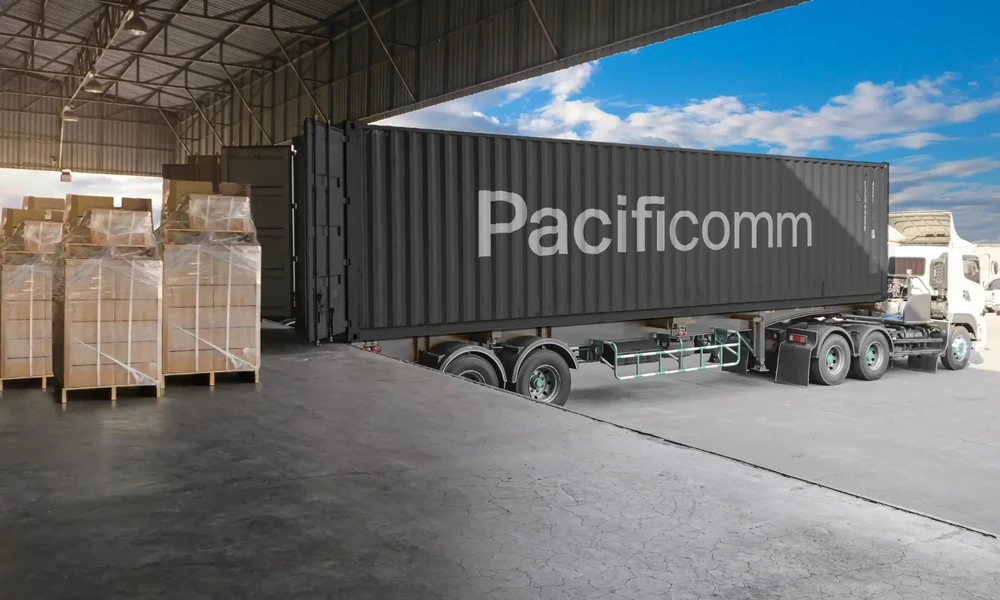
If your team spends more time firefighting than improving, you likely need a partner. Look for integrated warehousing, fulfillment, and transport under one roof, strong regional access, and proven system integrations. That is where Pacificomm stands out.
They are a New Zealand-owned 3PL and 4PL with more than 25 years of logistics experience through Millennium Corp. Operating from Auckland gives them direct access to ports, the airport, and national linehaul routes. That location shortens first-mile legs and improves late injection to carriers.
Here is why I recommend them for faster delivery:
- Integrated services end to end. Warehousing, inventory, pick and pack, freight, and distribution connect in one operation. Fewer handoffs mean fewer delays.
- Flexible capacity. Short-term and long-term storage, overflow space, and scalable labor let you handle peaks without penalties.
- Strong ecommerce integrations. Native links with Shopify, WooCommerce, Amazon Marketplace, and major inventory systems keep orders and stock in sync without manual work.
- Regional reach. Facilities across New Zealand plus Melbourne and Fiji support cross-border growth through the Asia Pacific while keeping visibility intact.
- Compliance and control. MPI Approved Transitional Facility and National Program 1 Food Storage support regulated products with proper tracking and reporting.
- Data you can act on. Real-time reporting across inventory, consignments, and orders gives you cycle times and exceptions at a glance.
If you need a partner that can combine warehousing, fulfillment, and freight into one connected solution, they fit that brief. Fewer providers, one source of truth, and faster handoffs add up to shorter delivery times.
A 60-Day Plan to Cut Delivery Time
You can make real progress in two months with a focused plan.
Days 1 to 15
- Lock delivery promises by lane and set cut-offs
- Analyze order heat maps and decide node strategy
- Fix inbound standards and barcode requirements
Days 16 to 30
- Reslot A movers and redesign pick paths
- Standardize pack stations and carton sets
- Implement scan-verify at pick and pack
Days 31 to 45
- Tune carrier rules by zone and weight
- Pilot metro next-day or same-day in dense areas
- Start cycle counts for top SKUs
Days 46 to 60
- Launch weekly speed dashboard and reviews
- Separate returns flow from outbound
- If moving to a partner, complete data mapping and small-batch onboarding to confirm integrations and reporting
Common Pitfalls That Slow Delivery
- Over-splitting inventory across too many nodes without volume to support it
- Single-carrier dependence that fails during regional disruptions
- Loose cut-offs that drivers cannot meet
- Overpacking that increases cubic cost and carrier exceptions
- No scan verification, leading to rework and late reships
Final Take
Pick two or three moves from this list and apply them now. Tighten promises, place top SKUs near demand, and clean up pick and pack. If you want faster gains with fewer moving parts, consider a partner like Pacificomm. Their connected network, Auckland access, and strong systems align with speed, accuracy, and scale.