
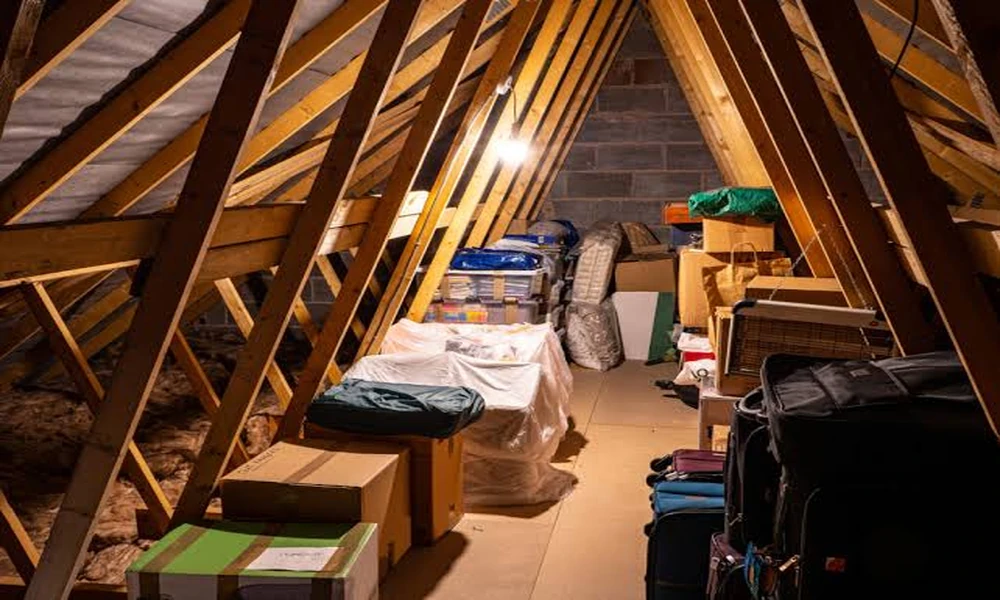
A quiet attic can quickly become attractive to raccoons when small openings provide easy access and shelter. Go Away Pest Control raccoon control services can help property owners address access concerns before nesting activity creates wider household problems. Preventive attention focuses on vulnerable areas such as roof edges, vents, soffits, chimneys, and damaged exterior materials. Regular checks also make it easier to notice signs of movement before an animal becomes established inside. A consistent prevention routine supports safer residential spaces while reducing conditions that encourage repeated wildlife entry.
Roof Access Points Require Regular Inspection
Raccoons can use surprisingly small weaknesses around the upper portions of a structure. Loose roofing materials, damaged fascia, open vents, and gaps near roof intersections may create practical entry routes. These areas deserve regular visual checks because minor exterior damage can become more significant after repeated weather exposure.
Important inspection areas include:
- Examine roof edges for loose materials, gaps, or visible structural damage.
- Check attic vents for broken screens or openings around protective covers.
- Inspect soffits and fascia for spaces that could permit animal entry.
- Look around chimneys for damaged flashing, gaps, or weakened protective barriers.
- Trim nearby branches that create easy routes toward upper building surfaces.
- Review roof intersections where separate materials meet and may develop gaps.
- Check exterior walls beneath rooflines for signs of repeated animal movement.
- Inspect recently repaired areas to confirm openings remain properly secured.
Attic Conditions Influence Nesting Activity
An attic can offer warmth, darkness, and protection from outdoor conditions. When access is available, these qualities may encourage wildlife to remain for longer periods. Stored materials can also create sheltered spaces that make activity harder to notice. Homeowners should therefore consider the condition of the entire attic rather than focusing only on visible entry holes.
Practical attic management can include:
- Keep stored materials organized so unusual movement becomes easier to notice.
- Maintain suitable ventilation to reduce moisture around enclosed attic spaces.
- Check insulation for disturbance, compression, or unexplained changes during inspections.
- Remove unnecessary clutter that creates concealed spaces near vulnerable areas.
- Look for droppings or nesting material during routine property checks.
- Observe unusual night-time sounds that may suggest activity above living areas.
- Keep access panels properly fitted without leaving surrounding gaps or openings.
- Address water damage that can weaken nearby structural materials over time.
Exterior Maintenance Supports Long Term Prevention
Preventive control extends beyond the attic itself. The exterior condition of a home can determine whether wildlife finds practical routes toward sheltered spaces. Damaged siding, deteriorated wood, loose vents, and uncovered openings should receive attention during regular property maintenance. Small repairs can reduce opportunities for animals to investigate the structure.
Useful exterior checks include:
- Inspect siding joints where gaps may develop after weather exposure.
- Replace damaged vent covers before openings become larger or easier to access.
- Examine wooden trim for deterioration around roof and wall connections.
- Review exterior repairs after storms, heavy rain, or strong seasonal winds.
- Keep garbage storage areas secured and away from direct building access.
- Remove fallen branches that rest against walls or roof structures.
- Check window screens and upper openings for damage or missing protection.
- Maintain exterior lighting where visibility helps reveal unusual nighttime activity.
Professional Assessment Clarifies Hidden Property Risks
Some access concerns are difficult to identify from ground level. A small opening may sit behind a roof feature or within an area that is not easily visible from ordinary household spaces. Professional inspection can provide a broader assessment of possible access routes and nesting indicators. When signs of raccoon activity are already present, control should also consider animal welfare and household safety. Go Away Pest Control raccoon control services may be considered when property owners need structured assistance with identifying concerns and planning appropriate control measures.
A thorough assessment may focus on:
- Reviewing visible and concealed areas around the upper structure for access.
- Identifying signs that suggest repeated wildlife movement near vulnerable locations.
- Examining attic conditions for nesting material or disturbed insulation.
- Evaluating exterior weaknesses that may require repair or protective measures.
- Considering whether existing openings could support repeated animal entry.
- Reviewing property conditions that may attract wildlife toward residential areas.
- Establishing practical maintenance priorities based on observed structural concerns.
- Confirming that prevention work does not create additional household hazards.
A well-maintained property gives raccoons fewer opportunities to find protected nesting spaces. Preventive inspections help reveal weaknesses before they become active entry routes. Exterior upkeep supports the condition of roofing, vents, trim, and other vulnerable components. Attic monitoring also helps identify unusual changes at an earlier stage. Together, these habits create a practical approach to reducing unwanted wildlife activity around residential structures.