
The Intersection of Creative Branding and Media
In today’s busy market, getting your business noticed is a big challenge. Your brand is more than just a logo; it’s the full feeling your customers get from you. It shapes how they see you and why they choose you. This is why creative branding and media are so important.
We know it’s tough to grab and keep people’s attention. How do you make a brand identity that looks good and truly connects with your audience? How do you ensure your message stays the same everywhere your customers see it? Unlike old ways of marketing, modern creative branding and media strategies focus on deep connections and consistent experiences.
This guide will help you build a strong brand that stands out. We will look at how modern creative approaches differ from traditional marketing. We will also explain why every business needs a detailed brand style guide. You’ll learn how social media is now central to branding and how AI helps creative agencies. We will also cover key elements like logo design, color schemes, and fonts. Plus, we’ll show you how to measure the success of your creative branding and media efforts. From making memorable product packaging to creating engaging digital content, we cover it all. For instance, thinking about how your products look in the real world, the power of well-designed, Do Good sustainable packaging is huge. It really shows off what your brand is about.
Join us to discover how to build a brand that not only gets noticed but also thrives.
Creative branding and media represent a dynamic shift from traditional marketing. While traditional marketing often focuses on broadcasting messages to a wide audience, creative branding delves deeper into crafting a unique identity and narrative that resonates on an emotional level. It’s about designing an experience that spans every touchpoint, from your visual identity to your customer service interactions.
This approach emphasizes intentional design and a cohesive visual language, ensuring brand consistency across every channel. The goal is to build genuine consumer trust and foster strong brand recognition, leading to lasting emotional connections. This multi-channel presence is crucial because, as some studies suggest, consumers are significantly more likely to engage with brands they recognize and trust. Furthermore, the integration of media planning within the creative process ensures that the visual assets are optimized for the specific platforms where they will live, whether that’s a high-resolution billboard or a social media feed. This synergy between the ‘what’ and the ‘where’ is the hallmark of a sophisticated modern strategy, allowing brands to maintain a high level of quality regardless of the medium.
Building a Foundation with Creative Branding and Media
At the heart of effective creative branding lies a well-defined visual identity. This starts with foundational elements like logo systems, typography, and color palettes. A well-designed logo isn’t just a pretty picture; it’s a powerful symbol that encapsulates your brand’s essence. Paired with carefully chosen typography, which conveys tone and readability, and a strategic color palette that evokes specific emotions, these elements form the bedrock of your brand’s visual language.
These components are then codified into a comprehensive brand style guide – your brand’s “bible” – which ensures consistency across all communications. This guide isn’t static; it allows for brand evolution while maintaining core identity. Professional design expertise is invaluable in this process, transforming abstract ideas into tangible assets that speak volumes. For businesses seeking a partner to navigate this complex landscape, agencies like Mural artist in Omaha offer integrated solutions that combine strategic thinking with creative execution, ensuring every element works in harmony to support your overarching brand strategy.
Why Small Businesses Need a Comprehensive Style Guide
Many small and medium-sized businesses might view a brand style guide as an unnecessary luxury, but it’s a critical tool for sustained growth and consistency. Think of it as a blueprint that guides every aspect of your brand’s presentation. Without one, your brand’s visual and verbal identity can become fragmented, leading to confusion among customers and within your own team.
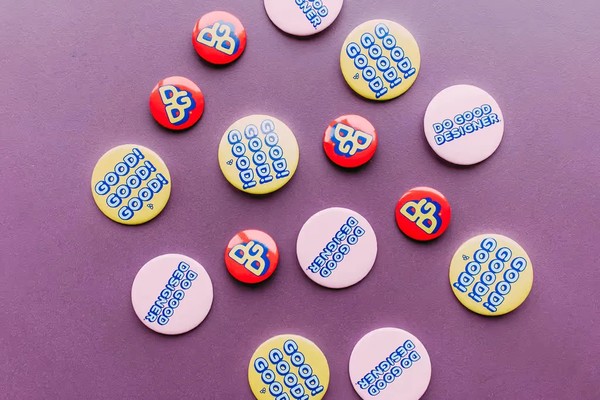
A comprehensive style guide builds trust by ensuring your brand always presents a polished, professional image. It’s essential for scalability, allowing new team members or external freelancers to produce on-brand content without constant oversight. This document outlines your mission statement, core values, and brand story, ensuring everyone understands the essence of your business. Crucially, it includes precise logo usage guidelines (dos and don’ts), specific typography guidelines for headings and body text, and exact color codes (Pantone, CMYK, RGB, HEX) to maintain visual consistency across all platforms, from print materials to your website. This prevents the common pitfalls of inconsistent logo application or off-brand color variations that can dilute your brand’s impact.
Integrating Social Media into Your Creative Branding and Media Strategy
In today’s digital-first world, social media is no longer an afterthought; it’s often the central nervous system of a brand’s media strategy. Agencies like We Are Social and VaynerMedia exemplify this social-first approach, recognizing that social platforms are where culture is shaped and conversations happen. They advocate for putting social at the center of everything, from creative development to media planning.
This means moving beyond simply posting content to engaging in authentic storytelling and community building. It involves keen audience listening to understand what resonates and designing content specifically for social behaviors. The rise of live commerce, for instance, highlights this shift, with a significant percentage of Gen Z consumers already making purchases through live shopping experiences. Brands that embrace this trend, creating social-first content that sparks conversations and drives engagement, are better positioned to achieve brand relevance and connect with modern audiences. It’s about transforming fleeting trends into lasting connections by rooting campaigns in culture and amplifying them socially.
Transforming Physical and Digital Spaces through Design
Creative branding extends beyond digital screens to physical environments, transforming spaces into immersive brand experiences. Whether it’s a retail store, an office, or a restaurant, environmental graphics play a crucial role in shaping the atmosphere and reinforcing brand personality. These physical touchpoints offer unique opportunities for brand storytelling, engaging customers in a tangible way that digital media cannot replicate alone.
From the moment a customer steps into a branded space, every visual element contributes to their overall experience. Thoughtful design can evoke specific emotions, communicate values, and create memorable interactions that deepen customer loyalty. This holistic approach ensures that your brand’s essence is felt, not just seen, across all channels, both online and off.
The Impact of Professional Packaging Design
Packaging is often the first physical interaction a customer has with your product, making it a critical component of creative branding. Professional packaging design goes far beyond aesthetics; it’s a strategic tool that influences purchasing decisions, communicates brand values, and enhances the overall customer experience.
In a crowded marketplace, distinctive packaging creates shelf-presence, helping your product stand out. For e-commerce, it extends the brand experience into the customer’s home, turning the unboxing moment into a shareable event. Whether for food and beverage, retail products, or custom shipping collateral, well-designed packaging differentiates your brand and tells a story. It’s an opportunity to convey quality, sustainability, or luxury, often informed by consumer research to ensure it resonates with target audiences. For example, considering the environmental impact, focusing on Do Good sustainable packaging can significantly enhance a brand’s appeal and ethical standing. This attention to detail in packaging is a direct reflection of a brand’s commitment to its customers and its values. Beyond the box itself, the tactile experience-the texture of the paper, the sound of the seal breaking, and the ease of opening-all contribute to a sensory brand experience that builds anticipation and satisfaction.
Using Murals and Environmental Graphics to Tell a Story
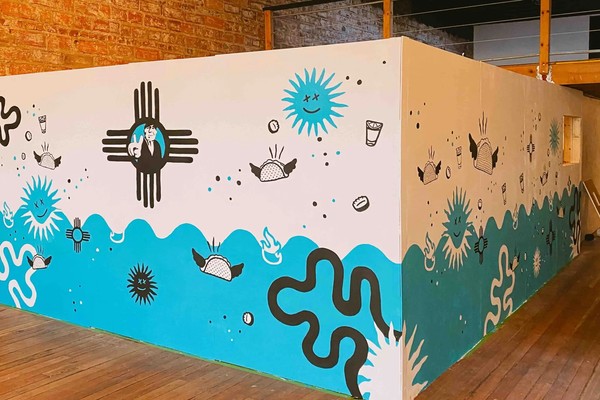
Murals and environmental graphics offer a powerful way to bring a brand’s story to life within physical spaces, creating immersive experiences that resonate with customers and the community. Imagine a vibrant, hand-painted mural in a restaurant that reflects its culinary heritage, or striking vinyl wall graphics in a retail store that embody its brand ethos. These elements transform ordinary spaces into branded environments, enhancing the customer experience and reinforcing brand identity.
Beyond aesthetics, environmental graphics can have a tangible impact. Retail murals and window decals attract foot traffic, while public art installations can foster community impact and even contribute to local SEO by making a business a recognizable landmark. For businesses in areas like Omaha, custom murals can become unique selling points, turning a simple wall into a canvas for brand storytelling. This form of creative expression allows businesses to communicate their personality, values, and offerings in a bold, unforgettable way, effectively transforming their physical presence into an extension of their brand. This physical manifestation of the brand helps bridge the gap between the digital world and the real world, providing a sense of permanence and authenticity.
Measuring the Success of Your Creative Efforts
Measuring the ROI of creative branding and media campaigns can seem challenging, but it’s essential for understanding impact and optimizing future efforts. While some creative outcomes, like emotional connection, are qualitative, many can be linked to quantifiable business results. Agencies like Bigeye, for instance, have a track record of driving significant client revenue through creative and media strategy, highlighting the financial returns of well-executed campaigns.
Key metrics include brand loyalty, engagement rates on social media, website traffic, conversion rates, and ultimately, sales growth. For example, one agency helped a tequila brand beat its category growth by a substantial margin through strategic creative and media. Consumer recognition, a direct outcome of consistent branding, also plays a role, with studies showing that recognition correlates with purchase likelihood. Agencies often utilize proprietary consumer research tools, like Bigeye’s EyeQ, to gather insights that inform effective branding decisions and track the impact of campaigns. By continuously analyzing these strategic outcomes, businesses can understand how their creative branding efforts build brand equity, expand market presence, and contribute to sustainable growth. This data-driven approach ensures that creative investments are not just visually appealing but also strategically sound and impactful.
Conclusion
In a world saturated with information, creative branding and media are no longer optional-they are indispensable for businesses aiming to thrive. By understanding the nuances of creative branding, developing a robust brand style guide, and strategically integrating media across all touchpoints, businesses can forge powerful connections with their audience.
From the foundational elements of logo and typography to the immersive experiences created by packaging and environmental graphics, every detail contributes to a cohesive brand narrative. Embracing social media as a central pillar and leveraging AI for deeper insights allows brands to stay relevant and responsive. By consistently measuring the impact of creative efforts, businesses can ensure their branding not only captivates but also drives tangible growth and lasting success.