
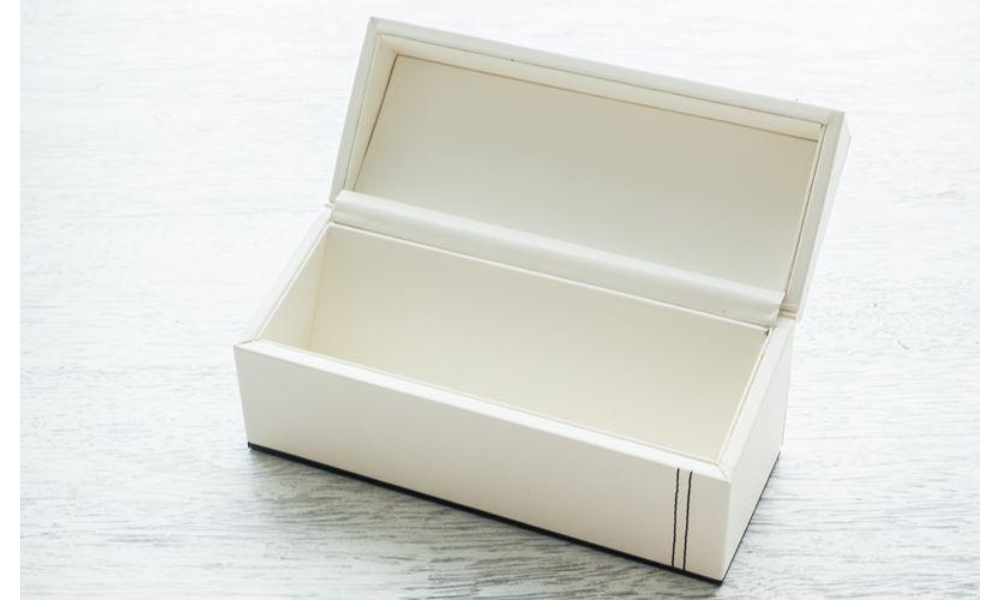
Choosing how a gift is presented is often treated as a last-minute decision; yet, packaging plays a quiet yet powerful role in shaping how a gift is received. Whether for personal gifting, retail use, or events, the choice between a gift box, a gift bag, or recycled paper bags affects perception, practicality, and even sustainability. These decisions may seem minor, but they influence cost control, storage, and brand or personal values.
Checkpoint #1: Understanding the Purpose of the Gift
The first checkpoint is intent. A gift box often communicates structure and formality, making it suitable for premium items, commemorative gifts, or occasions where presentation matters as much as the contents. Boxes offer protection and a sense of anticipation when opened.
A gift bag, by contrast, supports convenience. It suits casual gifting, events, or situations where items vary in shape and size. Bags are easy to assemble, require minimal storage space, and are often reused.
Meanwhile, recycled paper bags add another layer to this decision by signalling environmental awareness without sacrificing functionality. Clarifying the purpose of the gift helps narrow choices early, preventing mismatches between packaging and occasion.
Checkpoint #2: Evaluating Practicality and Ease of Use
Practicality often determines whether packaging becomes helpful or frustrating. A gift box provides stability and protection, especially for fragile or structured items. However, boxes require more storage space and may need additional wrapping or assembly time.
A gift bag simplifies the process. Items can be placed inside quickly, making it ideal for bulk gifting or last-minute needs. Handles add convenience, particularly for events or retail settings where items are carried around. Recycled paper bags perform similarly while offering a sturdier feel compared to thin plastic alternatives, making them suitable for slightly heavier contents.
Checkpoint #3: Presentation and Perceived Value
Packaging influences how a gift is perceived before it is opened. A gift box often feels deliberate and considered, enhancing the sense of value regardless of the item inside. This makes boxes suitable for milestone celebrations or professional gifting.
A gift bag presents a lighter, more informal tone. While it may not convey the same level of formality, it offers flexibility in design, colour, and size. Recycled paper bags sit between these options. Their natural texture and muted tones can project simplicity and intention, appealing to recipients who value understated presentation and environmental awareness.
Checkpoint #4: Sustainability and Material Choices
Environmental impact is no longer a niche concern. Many people now consider sustainability part of responsible gifting. Recycled paper bags address this checkpoint directly, offering a practical alternative that reduces reliance on virgin materials.
While a gift box may seem less sustainable at first glance, boxes are often reused for storage or repurposed for future gifting. A gift bag can also have a long lifespan if made from durable materials. Sustainable choices gain meaning when they are practical enough to be reused rather than discarded.
Checkpoint #5: Cost and Budget Control
Budget plays a central role in packaging decisions, especially for businesses or large-scale gifting. A gift box typically costs more due to materials and construction, making it better suited for selected items rather than bulk use.
A gift bag offers cost efficiency, particularly when purchased in quantity. Recycled paper bags often balance affordability and durability, making them attractive for retailers or event organisers managing tight budgets. Evaluating cost alongside perceived value helps avoid overspending on packaging that does not add proportionate benefit.
Checkpoint #6: Storage and Logistics
Storage is an often-overlooked checkpoint. Gift boxes require flat storage before assembly or significant space once assembled. A gift bag stores flat and occupies minimal space, making it easier to manage.
Recycled paper bags share this advantage while maintaining structure when in use. Considering storage constraints early prevents logistical issues that arise when packaging arrives before there is space to keep it.
Checkpoint #7: Audience Expectations
Understanding your audience shapes packaging choices. Some recipients associate a gift box with special occasions and may expect it for formal events. Others prefer the ease and reusability of a gift bag, especially when practicality outweighs presentation.
Recipients who value sustainability may appreciate recycled paper bags, viewing them as a thoughtful extension of the gift rather than a compromise. Aligning packaging with audience expectations enhances the overall experience without increasing cost or complexity.
Making Confident Packaging Decisions
Choosing between a gift box, a gift bag, or recycled paper bags becomes easier when guided by clear checkpoints rather than assumptions. Purpose, practicality, presentation, sustainability, cost, storage, and audience expectations all play a role in shaping a well-considered decision. By slowing down and evaluating these factors, packaging choices become intentional rather than automatic. The result is a gift that feels coherent, thoughtful, and aligned with both your needs and values.
If you are preparing for an upcoming event, launch, or celebration, visit MillionParcel today.