
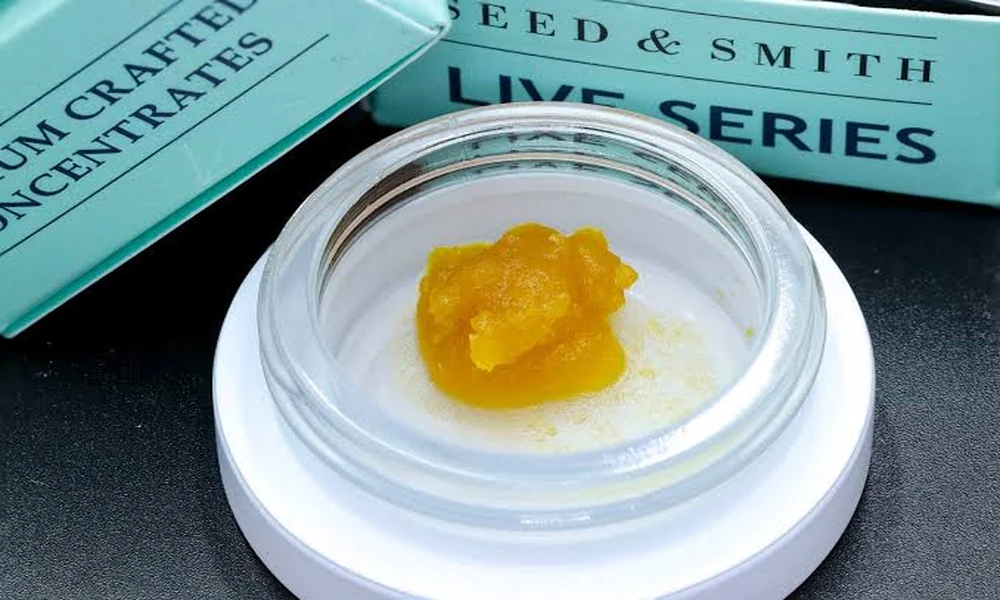
Live resin earns its premium reputation via one production decision: extracting from plants frozen fresh during harvest instead of dried and cured material, and every cost in the process flows from that single choice. Shoppers browsing budpop.com/live-resin-gummies see the finished end of a supply chain considerably more expensive than conventional extraction, and understanding where money actually goes explains both the shelf price and why brands keep paying it willingly.
Fresh frozen supply costs
Supply costs begin on farms, where fresh frozen material commands premiums that no cured biomass ever reaches. Harvest and freezing must be completed within hours of cutting, before volatile terpenes begin evaporating, which forces growers into coordinated harvest windows, on-site freezing capacity, and cold storage infrastructure that most farms never built. Frozen material then ships refrigerated, weighs more than the dried equivalent, and occupies cold storage until processing, each stage billing against batches steadily. Fewer farms carry this capability, thinning supplier pools and strengthening grower pricing power in every negotiation. Sourcing fresh frozen inputs costs multiples over cured biomass before extraction even begins, and that premium exists for one honest reason: the aromatic compounds being preserved genuinely disappear any other way.
Extraction complexity rises
Extraction itself runs harder using frozen material than cured, stacking process cost on top of the input cost. Hydrocarbon systems processing fresh frozen plants handle high water content, cured material never carries, demanding colder operating temperatures, slower run rates, and additional dewaxing stages before clean output emerges. Solvent recovery, purging, and residual testing follow as in any resin production, but frozen input stretches every stage longer than conventional runs allow. Equipment wear increases under extreme temperatures, throughput drops against cured material processing, and operators capable of managing added variables command wages matching their scarcity. Laboratories certify finished extract across potency and residual panels, invoiced separately, failed purge results holding entire batches hostage until retests finally clear.
Yield mathematics punish
Yield numbers complete the cost picture, and arithmetic runs against live resin on every line.
- Water weight inside frozen material means each processing run carries mass, yielding nothing.
- Recovery rates per pound trail cured biomass extraction, spreading fixed costs across less output.
- Premium input plus reduced yield multiplies the cost per gram rather than merely adding it.
- Cold chain failures anywhere upstream can write off entire lots before extraction starts.
Stack these factors together and finish live resin costs multiples of conventional extract per active milligram, a gap no efficiency program fully closes because the expensive parts are precisely the point of the process.
Premium justification holds
Justifying that the cost stack falls entirely on the finished product, and live resin manages it via preserved terpene content, nothing else replicates. Flavour depth and aromatic complexity survive from the living plant into the final gummy, differences that experienced buyers detect immediately and describe in reviews without prompting. Products carrying the extract escape commodity price comparison since inputs across brands genuinely differ, repeat rates among converted customers run measurably high, and the live designation resists imitation because faking it requires the identical expensive supply chain honest production demands. Real cost buys real difference, which remains the only equation ever sustaining a premium anywhere in retail.
Live resin stays expensive because every available shortcut destroys exactly what customers pay for, and brands absorbing that cost knowingly are purchasing differentiation that no marketing budget could ever manufacture.