
The Core Pillars of Industrial Equipment Maintenance
Modern manufacturing and production operations rely heavily on complex machinery. Keeping this industrial equipment running smoothly is not just a preference; it is absolutely critical for success. Without effective maintenance, businesses face costly unplanned downtime, reduced output, and significant safety risks. In fact, equipment failures are a factor in a notable portion of workplace incidents, highlighting the direct link between maintenance and safety.
This comprehensive guide will explore the essential aspects of industrial equipment maintenance. We will delve into the various types of maintenance strategies, from traditional approaches to cutting-edge predictive methods. Our discussion will cover how organizations choose the best strategies for their assets, the transformative role of technology like IoT and AI, and the key benefits of a well-executed maintenance program.
Furthermore, we will examine the evolution of maintenance with Industry 4.0, tackle common implementation challenges, and discuss how teams measure success and continuously improve. Join us as we uncover how to enhance operational efficiency, extend asset life, and ensure a safer, more productive future for your industrial operations.
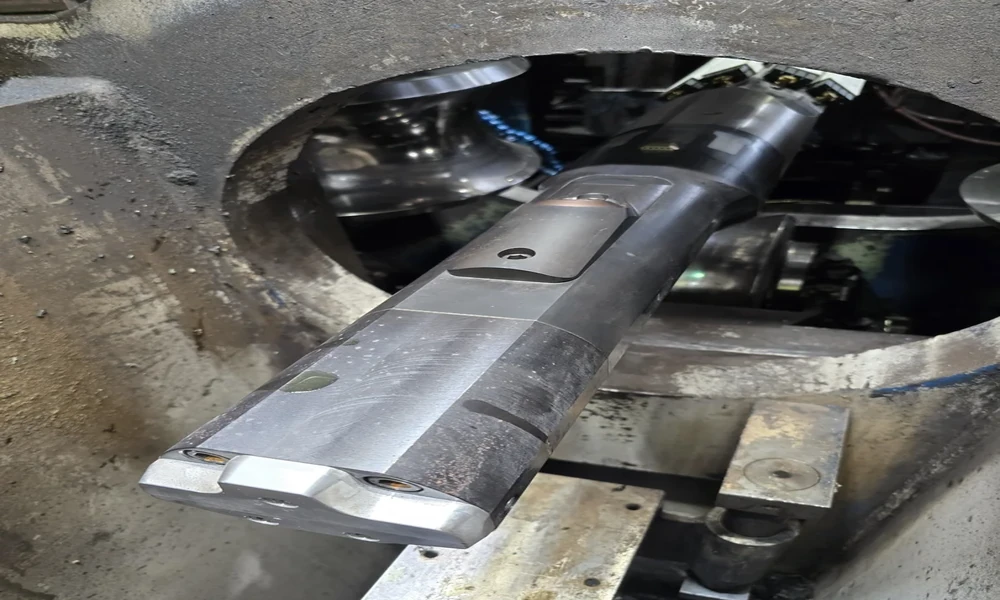
Industrial equipment maintenance encompasses all activities aimed at keeping machinery, systems, and infrastructure in optimal working condition. This includes routine inspections, repairs, component replacements, and system adjustments. Its criticality in modern manufacturing and production cannot be overstated. In a landscape where efficiency, safety, and cost-effectiveness are paramount, a robust maintenance program serves as the backbone of sustained operational success.
For us, the goal of industrial maintenance is to maximize uptime, extend the lifespan of valuable assets, ensure worker safety, and uphold product quality. Without it, companies risk catastrophic failures, significant financial losses due to downtime and emergency repairs, and potential regulatory non-compliance. It’s about proactive management rather than reactive firefighting, transforming potential liabilities into operational strengths.
The Evolution of Industrial Equipment Maintenance
Historically, industrial maintenance was largely reactive-fixing equipment only after it broke down. This “run-to-failure” approach, while seemingly cost-effective in the short term for non-critical assets, often led to unpredictable downtime, higher repair costs, and safety hazards. As industrial operations grew in complexity and scale, the limitations of this approach became glaringly obvious.
The mid-20th century saw a shift towards preventive maintenance, driven by the need for more predictable operations. This involved scheduled inspections, lubrication, and part replacements based on elapsed time or usage. While a significant improvement, it still sometimes led to unnecessary maintenance or missed impending failures.
Today, we are witnessing an accelerated evolution, largely fueled by Industry 4.0 and the digitalization of manufacturing. This era emphasizes data-centric approaches, moving beyond mere prevention to prediction and even prescription. This shift is transforming maintenance from a cost center into a strategic asset for competitive advantage. The scope of industrial maintenance services in North America, for instance, has expanded dramatically to include advanced analytics and remote monitoring, reflecting this global trend towards smarter, more integrated solutions.
Key Types of Maintenance Strategies

Modern industrial maintenance employs a diverse array of strategies, each with its own philosophy and application. Understanding these differences is crucial for developing a tailored and effective maintenance program.
- Corrective Maintenance (CM): Also known as reactive maintenance, this is performed only after a failure has occurred. Its primary goal is to restore equipment to operational status as quickly as possible. While simple to implement, it can lead to unplanned downtime, higher repair costs, and potential secondary damage. It’s typically reserved for non-critical assets where the cost of failure is less than the cost of prevention.
- Preventive Maintenance (PM): This involves regularly scheduled maintenance activities, such as inspections, lubrication, and component replacements, performed at predetermined intervals (e.g., every 500 operating hours or monthly). The aim is to prevent failures before they happen and extend asset life. PM reduces the likelihood of unexpected breakdowns but can sometimes lead to unnecessary maintenance if components are replaced prematurely.
- Predictive Maintenance (PdM): Leveraging real-time data from sensors and advanced analytics, PdM monitors equipment condition to predict potential failures. Maintenance is performed only when data indicates a decline in performance or an impending issue. This “just-in-time” approach minimizes downtime, optimizes maintenance schedules, and reduces unnecessary interventions.
- Condition-Based Maintenance (CBM): Often considered a subset or precursor to PdM, CBM involves continuous monitoring of specific equipment parameters (e.g., vibration, temperature, pressure). When these parameters deviate from established norms, it triggers a maintenance action. While similar to PdM, PdM often incorporates more sophisticated algorithms to forecast when a failure will occur, not just if it’s occurring.
- Reliability-Centered Maintenance (RCM): This is a systematic approach that identifies the functions of assets, their potential failure modes, and the consequences of failure. RCM then determines the most effective maintenance tasks to prevent or mitigate these failures, focusing on maintaining the function of the asset rather than just the asset itself. It often leads to a combination of preventive, predictive, and even run-to-failure strategies for different components.
- Autonomous Maintenance: A key pillar of Total Productive Maintenance (TPM), this strategy empowers machine operators to perform basic maintenance tasks, such as cleaning, inspection, lubrication, and minor adjustments. It fosters a sense of ownership, improves equipment knowledge, and frees up skilled maintenance technicians for more complex tasks.
- Prescriptive Maintenance: The most advanced form, prescriptive maintenance goes beyond predicting failures to recommending specific actions to prevent them, often outlining the optimal steps, resources, and timing. It uses AI and machine learning to analyze vast amounts of data and suggest the best course of action.
To provide a clearer comparison, consider the following:
Feature Corrective Maintenance Preventive Maintenance Predictive Maintenance Trigger Equipment failure Time-based or usage-based schedule Real-time condition monitoring data Goal Restore functionality quickly Prevent failures, extend asset life Predict failures, optimize maintenance timing Cost High (emergency repairs, downtime) Moderate (scheduled, but potentially unnecessary) Lower (optimized, avoids major breakdowns) Downtime Unplanned, often lengthy Planned, but can be frequent Minimized, scheduled precisely Asset Life Can be shortened due to catastrophic failures Extended, but not always optimally Maximized through precise intervention Technology Minimal Scheduling software, basic tools Sensors, IoT, AI/ML, CMMS/EAM Selecting and Balancing Maintenance Strategies
Deciding which maintenance strategy or combination of strategies is best for an organization’s assets and industry is a complex, strategic decision. There’s no one-size-fits-all answer; instead, it requires a careful evaluation of several factors.
Firstly, asset criticality is paramount. For mission-critical equipment whose failure would halt production, pose a safety risk, or incur massive costs, a highly proactive approach like predictive or reliability-centered maintenance is essential. For non-critical assets, a more reactive or time-based preventive strategy might suffice.
Budget constraints also play a significant role. Implementing advanced predictive maintenance technologies can involve substantial upfront investment in sensors, software, and training. Organizations must weigh these costs against the potential savings from reduced downtime, extended asset life, and optimized resource allocation.
Regulatory requirements in certain industries (e.g., aerospace, pharmaceuticals, energy) often mandate specific maintenance protocols and documentation, influencing strategy choices. Furthermore, the age and condition of existing assets, the availability of skilled labor, and the organizational culture (e.g., willingness to embrace new technologies) all contribute to the decision-making process.
Many organizations find success with a hybrid approach, combining elements of different strategies. For instance, critical assets might be under a predictive maintenance program, while less critical ones follow a preventive schedule, and non-essential items are run-to-failure. This allows for optimized resource allocation and cost management. Risk-based maintenance (RBM), which prioritizes maintenance efforts based on the risk associated with asset failure, is another sophisticated approach to balancing these elements. Similarly, Total Productive Maintenance (TPM) fosters a holistic approach, engaging all employees in maintaining equipment and improving overall production efficiency.
Optimizing Workflows with Specialized Machinery
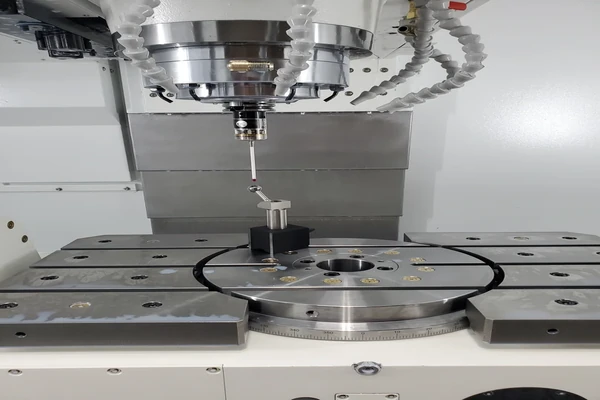
In precision manufacturing, where tolerances are tight and product quality is paramount, maintenance strategies must be exceptionally refined. Equipment like advanced CNC machines, specialized robotic systems, and custom fabrication tools demand meticulous attention. For example, maintaining the intricate components of machinery designed for specialized tasks, such as industrial bead choppers, requires not only regular inspections but also a deep understanding of their unique operational stresses and wear patterns.
The precision inherent in processes like CNC machining means that even minor component misalignment or excessive wear can lead to significant quality defects and costly rework. Maintenance for such equipment often involves:
- Calibration: Regular calibration checks to ensure accuracy.
- Component Alignment: Precise alignment of moving parts to prevent premature wear and maintain operational integrity.
- Environmental Control: Monitoring and maintaining optimal temperature and humidity to protect sensitive electronics and mechanical parts.
- Specialized Lubrication: Using specific lubricants at exact intervals to reduce friction and heat.
These specialized workflows often benefit immensely from predictive maintenance, where sensors can monitor vibration, temperature, and power consumption to detect subtle deviations that might indicate impending issues. This proactive approach ensures that the machinery continues to produce high-quality output without unexpected interruptions.
Measuring Success Through Key Performance Indicators
To truly understand the effectiveness of a maintenance program and drive continuous improvement, organizations must rigorously measure their performance using Key Performance Indicators (KPIs). These metrics provide quantifiable insights into efficiency, reliability, and cost-effectiveness.
Here are some essential maintenance KPIs we track:
- Overall Equipment Effectiveness (OEE): A comprehensive metric that measures manufacturing productivity. It accounts for availability (uptime), performance (speed), and quality (defects). A high OEE indicates efficient and productive equipment.
- Mean Time Between Failures (MTBF): The average time a repairable asset operates before it fails. A higher MTBF signifies greater reliability and less frequent breakdowns.
- Mean Time To Repair (MTTR): The average time it takes to repair a failed asset and return it to operational status. A lower MTTR indicates efficient repair processes and skilled technicians.
- Preventive Maintenance (PM) Compliance: The percentage of scheduled PM tasks that are completed on time. High compliance suggests a disciplined and effective preventive program.
- Backlog: The amount of outstanding maintenance work. A manageable backlog indicates efficient planning and resource allocation.
- Maintenance Cost per Unit of Production: Measures the total maintenance costs relative to the output produced. This helps in understanding the cost-efficiency of maintenance efforts.
- Unplanned Downtime Percentage: The proportion of total operating time lost due to unexpected equipment failures. Reducing this is a primary goal of proactive maintenance.
- First-Time Fix Rate: The percentage of maintenance issues resolved on the first attempt without requiring follow-up visits or additional parts. A higher rate indicates technician proficiency and accurate diagnostics.
By consistently monitoring these KPIs, organizations can identify areas for improvement, justify investments in new technologies, and demonstrate the tangible value of their maintenance efforts. For instance, Dovient customers have achieved a 27 percentage point lift in PM compliance and a 38% reduction in unplanned downtime, showcasing the impact of focused KPI tracking and optimization.
The Digital Revolution: Industry 4.0 and Smart Maintenance
The advent of Industry 4.0 has fundamentally reshaped industrial equipment maintenance, ushering in an era of “smart maintenance.” This paradigm shift is driven by the integration of advanced technologies that enable unprecedented levels of connectivity, data analysis, and automation.
1. IoT Sensors: The backbone of smart maintenance, Internet of Things (IoT) sensors are embedded in equipment to collect real-time data on parameters like vibration, temperature, pressure, current, and acoustics. This continuous stream of data provides an accurate, up-to-the-minute picture of asset health, enabling condition-based and predictive maintenance.
2. CMMS/EAM Software: Computerized Maintenance Management Systems (CMMS) and Enterprise Asset Management (EAM) software are evolving into central nervous systems for maintenance operations. These platforms manage work orders, schedule maintenance, track spare parts inventory, and store historical data. Modern CMMS/EAM solutions integrate seamlessly with IoT data, providing a holistic view of asset performance and automating many maintenance processes. UpFix, for example, offers an AI Maintenance Intelligence Platform that centralizes asset management, automates scheduling, and leverages AI for knowledge management.
3. AI/ML (Artificial Intelligence/Machine Learning): AI and ML algorithms are transforming raw sensor data into actionable insights. They can identify subtle patterns indicative of impending failures, often weeks or months in advance, far beyond human capability. AI-powered solutions like Aspen Mtell can predict failure patterns up to 90 days ahead, leading to a 30% reduction in maintenance costs and a 20% boost in uptime. Prescriptive AI can even recommend specific corrective actions, optimizing resource allocation and minimizing downtime.
4. Digital Twins: A digital twin is a virtual replica of a physical asset, system, or process. It’s fed real-time data from its physical counterpart, allowing for simulations, performance analysis, and predictive modeling. Digital twins enable maintenance teams to test scenarios, optimize maintenance schedules, and even troubleshoot issues in a virtual environment before applying solutions in the physical world, reducing risk and cost.
5. AR/VR (Augmented Reality/Virtual Reality): AR/VR technologies are enhancing technician training, remote assistance, and complex repair procedures. AR overlays digital information (e.g., schematics, step-by-step instructions) onto a technician’s real-world view, guiding them through tasks. VR provides immersive training environments for complex machinery, reducing the need for hands-on practice with live equipment. VSight Nova, for instance, acts as an AI copilot, turning manuals and videos into step-by-step, source-cited guidance for technicians, significantly cutting down documentation search time.
These technologies collectively enable a shift from reactive to highly proactive and even prescriptive maintenance, leading to significant improvements in uptime, efficiency, and safety. Vistrian Maintenance Suite customers, for example, have reported a 20.1% reduction in equipment downtime and a 28.3% increase in maintenance productivity through integrated solutions.
Overcoming Challenges in Industrial Equipment Maintenance
While the benefits of advanced industrial maintenance are clear, organizations often face significant hurdles when implementing or scaling their programs. These challenges can impede progress and limit the return on investment.
One major challenge is data silos and integration issues. Many companies operate with disparate systems-legacy CMMS, ERP, SCADA, and new IoT platforms-that don’t communicate effectively. This fragmentation makes it difficult to gain a unified view of asset health and operational performance, hindering effective decision-making. Integrating these systems requires significant effort and expertise.
Legacy equipment presents another obstacle. Older machinery may not be designed for sensor integration or digital connectivity, making it difficult to implement predictive maintenance strategies without costly retrofits. Furthermore, the sheer volume and diversity of equipment in a typical industrial setting can be overwhelming to manage.
Change management is also a critical factor. Shifting from traditional, often reactive, maintenance practices to a data-driven, proactive approach requires a cultural transformation. Resistance from employees, a lack of understanding of new technologies, and insufficient training can derail even the best-laid plans. This also extends to the broader field of industrial equipment maintenance, where adapting to new technologies requires continuous learning and investment.
Finally, implementation costs and demonstrating ROI can be a barrier. The initial investment in new software, sensors, training, and integration services can be substantial. Organizations need clear strategies to measure and articulate the return on investment to secure ongoing funding and support. Without a clear path to value, these initiatives can lose momentum.
Building the Maintenance Team of the Future
The evolution of industrial maintenance demands a corresponding evolution in the skills, roles, and training of maintenance teams. The traditional “wrench-turner” role is being augmented by a need for highly skilled technicians who can interact with complex digital systems.
The maintenance team of the future requires a blend of mechanical, electrical, and digital competencies. Technicians need to be proficient in:
- Data Analysis: Interpreting sensor data, understanding trends, and identifying anomalies.
- Software Proficiency: Operating CMMS/EAM systems, interacting with digital twins, and using AR/VR tools.
- Troubleshooting: Diagnosing issues across mechanical, electrical, and control systems, often with the aid of AI tools.
- Cybersecurity Awareness: Protecting connected systems from cyber threats.
- Soft Skills: Problem-solving, critical thinking, and communication for effective collaboration.
New roles are emerging, such as reliability engineers specializing in data analytics, maintenance planners optimizing schedules with AI, and field service technicians leveraging AR for remote guidance. The demand for these skilled professionals is growing. The U.S. Bureau of Labor Statistics projects a 13% employment growth for industrial machinery mechanics from 2024 to 2034, with an average of 45,700 annual job openings. The median annual salary for industrial maintenance technicians in the U.S. was $63,760 in May 2024, reflecting the increasing value placed on these skills.
Investing in continuous training and development is crucial. This includes formal education programs, vendor-specific certifications, and on-the-job training that incorporates new technologies. Organizations must also cultivate a culture of lifelong learning to keep pace with rapid technological advancements and maintain high safety standards.
Frequently Asked Questions
What is the difference between preventive and predictive maintenance?
The core difference lies in their trigger mechanisms. Preventive maintenance is time-based or usage-based; it involves scheduled tasks (e.g., oil changes every 500 hours) regardless of the equipment’s actual condition. It aims to prevent failures by addressing wear and tear proactively. In contrast, predictive maintenance relies on real-time data and condition monitoring. Sensors continuously collect data (e.g., vibration, temperature), and analytics predict when a failure is likely to occur, allowing maintenance to be performed only when truly needed. This “just-in-time” approach minimizes unnecessary interventions and maximizes asset uptime.
How does maintenance impact workplace safety?
Maintenance directly impacts workplace safety in profound ways. Poorly maintained equipment is a leading cause of accidents, injuries, and even fatalities in industrial settings. According to OSHA research, 35% of workplace incidents were related to failures of equipment. A well-executed maintenance program ensures that machinery operates within safe parameters, reducing the risk of malfunctions, unexpected breakdowns, and hazards like leaks, fires, or explosions. Regular inspections identify potential safety issues before they escalate, and proper lubrication and calibration prevent mechanical failures that could endanger workers. Investing in maintenance is investing in a safer working environment for everyone.
What are the most critical KPIs for tracking maintenance success?
While many KPIs offer valuable insights, a few stand out as particularly critical for gauging overall maintenance success:
- Overall Equipment Effectiveness (OEE): This is a holistic measure of manufacturing productivity, combining availability, performance, and quality. It provides a single, powerful metric for understanding how effectively equipment is utilized.
- Mean Time Between Failures (MTBF): Essential for assessing reliability, MTBF indicates how long an asset typically runs without breaking down. Increasing MTBF is a primary goal of proactive maintenance.
- Mean Time To Repair (MTTR): Crucial for efficiency, MTTR measures how quickly equipment can be returned to service after a failure. A low MTTR reflects effective troubleshooting and repair processes.
- PM Compliance: This KPI tracks the percentage of scheduled preventive maintenance tasks completed on time. High compliance demonstrates adherence to proactive strategies, which is foundational for reliability.
Tracking these KPIs allows organizations to identify trends, pinpoint inefficiencies, and make data-driven decisions to continuously improve their maintenance operations.
Conclusion
In the dynamic world of modern manufacturing and production, industrial equipment maintenance is no longer a secondary concern but a strategic imperative. From ensuring the continuous operation of complex machinery to safeguarding personnel and optimizing resource allocation, a well-executed maintenance program is indispensable. We have explored how maintenance has evolved from reactive fixes to sophisticated, data-driven strategies, embracing the transformative power of Industry 4.0 technologies.
The journey towards operational excellence in maintenance involves strategic planning, the adoption of cutting-edge tools like IoT, AI, and digital twins, and a commitment to developing a highly skilled workforce. While challenges like data integration and change management persist, the benefits-including significant cost reductions, increased uptime, enhanced safety, and extended asset life-far outweigh the difficulties.
As we look to the future, the continuous improvement of maintenance practices will remain a cornerstone of competitive advantage. By embracing proactive strategies, leveraging technology, and investing in our teams, organizations can ensure the precision and reliability needed to thrive in an increasingly complex industrial landscape.