
Fire engineering is a specialised field that plays a crucial role in building safety and risk management. In a densely built environment like Singapore, the value of a qualified fire engineer cannot be overstated. Their work affects how buildings are designed, how occupants are protected, and how emergencies are managed effectively. As the industry advances, understanding the profession of fire engineering has become increasingly relevant across construction, property development, and regulatory sectors.
Defining the Scope of Fire Engineering
Fire engineering is the application of scientific and engineering principles to protect people, property, and the environment from the destructive effects of fire. It encompasses the analysis, design, and implementation of systems and strategies to prevent, detect, control, and mitigate fire risks. In Singapore, where vertical living and complex infrastructure are the norms, fire engineers contribute to safety from project conception through to daily building operations.
Role of a Fire Engineer in Design and Construction
During a building’s design phase, a fire engineer reviews architectural plans to identify potential fire hazards. They propose design solutions that allow for safe evacuation, sufficient access for emergency services, and protection of critical building functions. Their input affects decisions about fire compartmentation, escape routes, smoke control, and system layouts. Fire engineering in Singapore often require tailored strategies due to unique layouts or usage requirements, making early involvement essential.
Fire Modelling and Risk Analysis
An essential skill in fire engineering is the ability to model fire scenarios and assess risk. Fire engineers use software tools to simulate fire growth, smoke movement, and occupant evacuation. These simulations help determine how a building will perform under fire conditions. Results from these models inform decisions such as the location of smoke vents, the rating of materials, and whether performance-based solutions are needed. In many cases, such detailed risk analysis is crucial for meeting regulatory approvals.
Regulatory Compliance and Code Interpretation
Navigating fire safety regulations is a core function of the profession. Fire engineers interpret local building codes and fire safety standards to ensure that construction complies with legal requirements. In Singapore, the regulatory framework for fire safety is detailed and strictly enforced. A fire engineer must demonstrate that all design and mitigation strategies meet or exceed these standards. They also assist in preparing submissions to authorities and responding to feedback from regulatory agencies.
Integration with Other Engineering Disciplines
Fire engineering is inherently multidisciplinary. Reliable fire engineers collaborate with structural, mechanical, electrical, and architectural teams to ensure that safety features are compatible with the building’s design and function. They might work with mechanical engineers on pressurised staircases or coordinate with electrical engineers to ensure uninterrupted power to fire detection systems. Their role is not isolated but embedded across all project stages, making strong communication skills an essential part of the job.
Practical Application During Construction
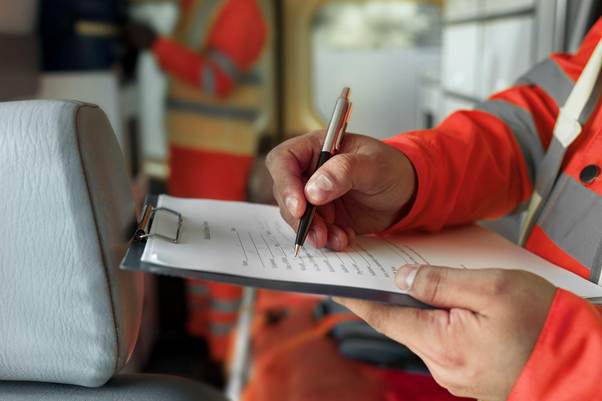
The fire engineer’s role continues well into the construction phase. They inspect installed systems, verify that fire protection features meet specifications, and witness functional testing of alarms, sprinklers, and ventilation controls. This ensures that the design is implemented accurately and performs as intended. Any deviations during construction may require the fire engineer to recommend corrective measures. Their oversight helps avoid safety compromises and compliance issues.
Post-Completion Assessments and Ongoing Consultancy
Even after a building is completed, fire engineering remains relevant. Fire engineers may be engaged for post-occupancy safety audits, system upgrades, or change-of-use assessments. As buildings evolve, so do their risks. Fire engineers provide ongoing consultancy to keep safety systems current and effective. They may also be called upon to investigate incidents, analyse causes, and propose improvements to reduce the likelihood of recurrence.
Career Development in Fire Engineering
A career as a fire engineer involves continuous learning. Professionals in this field typically have a background in mechanical, civil, or fire protection engineering. In Singapore, additional certifications and training are often required to stay aligned with evolving safety standards and technologies. The field offers opportunities for advancement into specialist roles, project management, or consultancy for high-risk environments such as airports, hospitals, and industrial plants.
The Future of Fire Engineering in Singapore
As Singapore continues to grow vertically and adopt more complex building designs, the demand for fire engineering professionals is expected to rise. Sustainability goals, smart building systems, and increased awareness of fire risk management will influence how fire engineers work. Future roles may include integrating artificial intelligence into fire detection or developing more advanced modelling tools. Regardless of the technology involved, the principles of fire engineering will remain rooted in protecting lives and property through evidence-based design.
For more information about fire engineering consultants, contact SHEVS IFT Consultants today.