
The Marvel of Modern Technology: How Video Inspection Works
Demystifying the Science: The Mechanics Behind the Camera
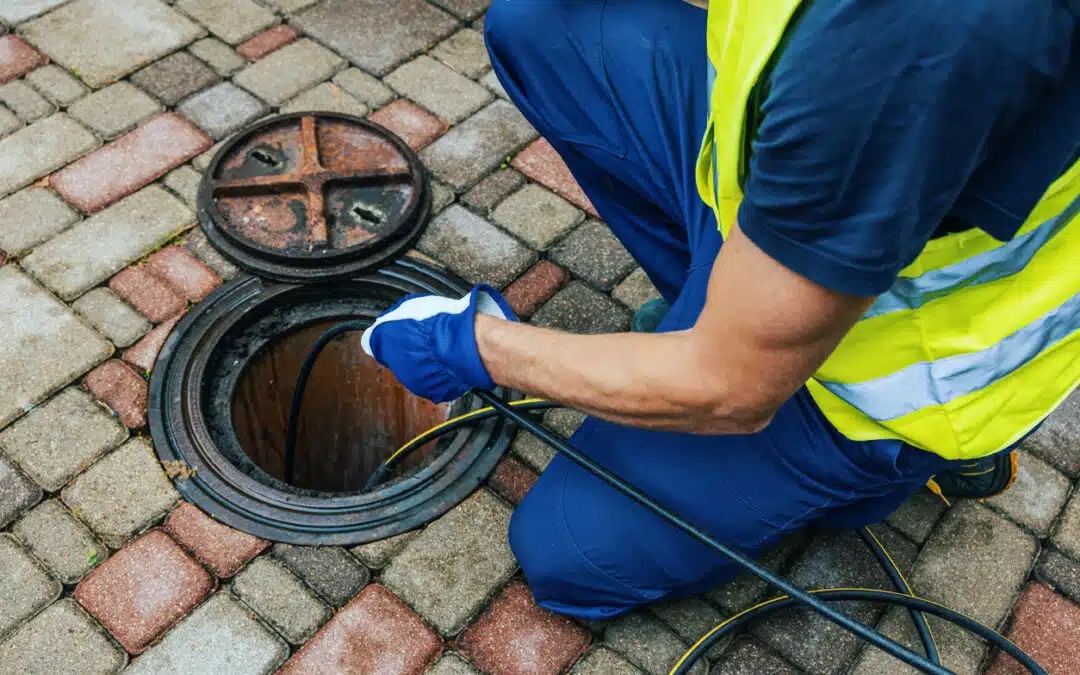
At the heart of modern plumbing diagnostics lies the revolutionary technology of video inspection. This method utilizes high-definition cameras mounted on flexible rods that can be maneuvered through pipes and drains. The process begins with a thorough evaluation of the plumbing system, identifying entry points for the camera, usually through existing cleanouts or drains. As the camera traverses the inner landscape of the pipes, it captures real-time video footage, feeding it back to an operator on surface level. This approach eliminates the guesswork involved in traditional inspection methods, such as snaking, where technicians attempt to diagnose issues without visual confirmation. High-resolution images allow for detailed assessment, marking the transition from merely labor-intensive and invasive techniques to a streamlined and effective process.
From Pipes to Pixels: The Technology That Brings Clarity
The technology that supports video pipe inspection is nothing short of remarkable. The cameras used are equipped with powerful lighting systems, allowing them to illuminate dark or obstructed areas in the plumbing. These lights enhance visibility, revealing intricate details of the pipe’s condition. Frame rates of the video feed can vary, allowing operators to pause and review critical findings at their convenience. Furthermore, many modern systems incorporate advanced features such as sonar scanning and thermal imaging to detect leaks or blockages that might not be visible to the naked eye. The information captured can be recorded, stored, and later reviewed, fostering a more thorough diagnosis and contributing to long-term maintenance strategies. This evolution of inspection technology not only enhances the reliability of the assessment but also significantly reduces the downtime normally associated with plumbing repairs.
The Evolution of Pipe Inspection Techniques Over Time
The journey of pipe inspection methods reflects broader technological advancements in the plumbing industry. Historically, plumbers relied on rudimentary tools and techniques, such as snake augers and hydro-jetting, often resulting in partial diagnoses at best. With the rise of new technologies, video inspection has rapidly transformed these methods. In the early days, it was costly and cumbersome, a privilege reserved for critical situations or industrial applications. Today, it is accessible for typical residential plumbing concerns. The progression from manual diagnosis to visual confirmation represents a significant shift in how we understand and maintain our plumbing systems. This evolution is also reflected in the growing emphasis on preventive maintenance, helping homeowners proactively identify and correct issues before they escalate into costly repairs.
Why Homeowners Should Embrace Video Pipe Inspection
Spotting Problems Before They Snowball: The Preventative Benefits
The importance of preventive maintenance cannot be overstated, particularly when it comes to plumbing systems. Video pipe inspection allows homeowners to identify potential issues lurking within their pipes before they evolve into serious problems. Small leaks, blockages, or signs of corrosion can escalate rapidly if left unnoticed, leading to costly repairs and potential water damage. With video inspections, these issues can be detected early, allowing homeowners to take corrective action before they snowball. Regular inspections, recommended every couple of years, not only protect the integrity of your plumbing but also safeguard your home investment. Moreover, this proactive approach extends the lifespan of your plumbing system, ensuring that it remains in optimal condition for many years to come.
Cost-Effectiveness: Saving Money with Early Detection
Investing in video pipe inspection is an upfront cost that can yield tremendous long-term savings for homeowners. Identifying issues at the earliest stages means that repairs can be executed with minimal disruption and expense. For instance, a small blockage can often be cleared at a fraction of the cost of dealing with a burst pipe or widespread water damage caused by something more problematic. Furthermore, the ability to understand the condition of your plumbing system allows for better budgeting, as homeowners can prioritize repairs and avoid costly emergencies. This proactive querying fosters an environment where not only financial resources are conserved but also time and peace of mind. The assurance that your plumbing is functioning well allows you to focus on more pressing matters within your home.
Empowering Homeowners: Knowledge Is Your Best Tool
Engaging in video pipe inspection enables homeowners to become informed participants in the management of their plumbing systems. When homeowners are provided with real-time footage and diagnostics, they gain invaluable insights into their own property. This knowledge empowers them to make better-informed decisions regarding maintenance, repairs, and upgrades. Understanding the state of your pipes fosters not just awareness but also confidence when communicating with plumbing professionals. Armed with data and visual evidence, homeowners can effectively negotiate solutions tailored to their specific needs, thus enhancing the customer experience overall. This shift toward an educated approach in plumbing maintenance underscores the value of transparency in professional services and the importance of establishing a collaborative partnership between homeowners and service providers.
The Hidden Dangers Lurking in Your Pipes: Common Issues Revealed
From Roots to Rust: What You Might Find in Your Pipe Network
The inner workings of a plumbing system can harbor a variety of hidden dangers that may not be detectable without tools like video inspection. Tree roots, for example, are a common issue in many neighborhoods, where sudden growth can infiltrate and obstruct sewer lines. This infiltration can lead to significant blockages or even ruptures, creating costly outages and preventing the proper disposal of waste. Beyond roots, one might encounter accumulated debris from years of buildup, such as grease or minerals that lead to narrowing pipes and diminished flow. Additionally, rust and corrosion from aging metal pipes can introduce serious risks, not only suggesting wear on the pipes themselves but also posing potential health threats if lead or other hazardous materials leach into the water supply. By utilizing video inspection to identify these issues early, homeowners can effectively mitigate risks that may otherwise lead to significant property damage or health concerns.
The Consequences of Ignoring Pipe Problems: A Cautionary Tale
Neglecting pipeline issues can lead to severe and often catastrophic outcomes. Take, for instance, a gradual leak in a basement pipe. Initially, it may appear trivial perhaps a few drops pooling in a corner but over time, this inactivity generates an environment suitable for mold growth, structural damage, and increased water bills. As leaks increase, the repercussions can extend beyond the immediate area, resulting in widespread damage that requires extensive restoration. Similarly, untreated blockages can compound over time, leading to sewage backups that not only disrupt daily living but also incur extensive cleanup and repair costs. Ignoring these early signs can culminate in a nightmare scenario that burdens homeowners with unsightly damage and significant financial shortages. Therefore, leveraging video inspections as part of regular plumbing maintenance provides an invaluable safeguard against these horrifying realities.
How to Interpret Video Findings: What Do Those Images Mean?
One of the most crucial aspects of employing video inspection is the interpretation of the findings. A skilled technician typically reviews the footage on-site, but homeowners should take the time to understand key indicators themselves. Common visual signs include cracks in pipes, root intrusions, and silt buildup, all of which necessitate appropriate responses. Additionally, understanding the distinction between a minor imperfection and a major concern is essential; not every visual anomaly warrants immediate action. Homeowners should be cautious, relying on an expert’s judgment while also ensuring they feel informed regarding the status of their plumbing. In an age of technology, where information is readily available, educating oneself about common plumbing issues via video footage can create more robust and meaningful conversations with plumbing professionals, ultimately leading to better maintenance strategies.
Choosing the Right Professionals for Your Video Inspection Needs
Credentials Matter: What to Look for in a Video Inspection Service
When selecting professionals for video pipe inspection, distinguishing qualified technicians from less experienced providers is crucial. Begin by evaluating the credentials of potential services. Look for certifications, memberships in professional organizations, and a history of successful inspections performed. Understanding the experience level of the technician, including their familiarity with the specific camera systems and software used, can significantly affect the quality of results. Additionally, reviews and testimonials from former clients can provide insights into a service’s reliability and effectiveness. By prioritizing credentials and expertise, homeowners can embrace a more secure relationship with their chosen inspection provider, fostering peace of mind as they navigate potential plumbing challenges.
How to Ask the Right Questions: Ensuring Quality and Trust
After selecting a few potential service providers, whether by recommendations or online searches, it’s essential to engage in an interview process. Prepare a list of pertinent questions that cover aspects such as the methods they employ, how they handle unexpected problems, and the technology they use for inspections. Questions about guarantees and warranties can also help gauge the provider’s confidence and commitment to their work. Furthermore, inquire about their post-inspection procedures, including how they will communicate findings and any recommended actions. This level of engagement not only helps safeguard your investment but also fosters a sense of trust and collaboration with the contractor. Remember, an informed homeowner is an empowered homeowner, and asking the right questions reflects a proactive stance in managing your plumbing health.
Cost Variations and What to Expect: A Guide for Homeowners
The cost of video pipe inspection can vary substantially based on factors such as geographic location, the complexity of the plumbing system, and the specific issues being investigated. Typically, prices may range from $100 to $450 for standard residential inspections, but comprehensive diagnostics, particularly those involving additional features such as thermal imaging, may be higher. Some service providers may charge based on time, while others operate on flat rates. Homeowners should understand that while there may be varied pricing structures, the goal should always be to find a quality service rather than the cheapest option. Discussing pricing beforehand, asking for itemized quotes, and verifying potential hidden fees will help ensure transparency and prevent any unpleasant surprises. By investing strategically in quality inspections, you can expect better outcomes that ultimately save money in the long run by allowing for timely interventions and superior maintenance.