
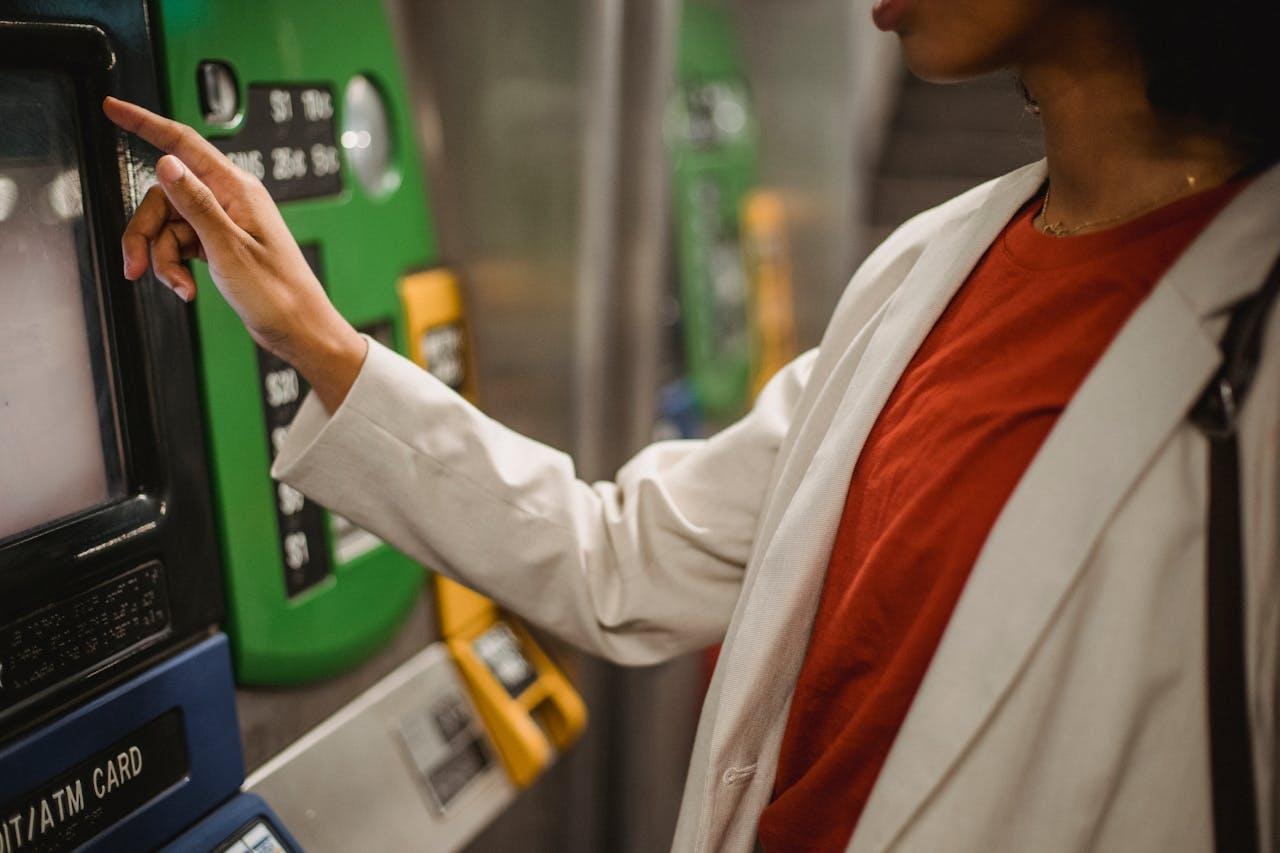
Self-service kiosks are everywhere these days. You see them at airports, restaurants, retail stores, and hospitals. They make transactions faster and reduce wait times. But here’s something most buyers overlook: security.
A kiosk might look sleek and function smoothly, but if it’s not secure, you’re opening the door to data breaches, fraud, and equipment damage. Security isn’t an afterthought. It’s the foundation of a reliable kiosk investment.
Whether you’re setting up payment terminals, information stations, or ticketing machines, you need to know what security features matter most.
Evaluate Physical Security Features
A kiosk’s physical security is your first line of defense. Think about where the machine will be placed. Is it in a high-traffic area? Will it be accessible 24/7? If so, it needs to withstand tampering, vandalism, and theft attempts.
Check the construction quality. Look for reinforced steel frames, tamper-proof locks, and secure mounting options. The screen should be durable and resistant to impact. Internal components like card readers and printers should be enclosed and protected.
When you’re browsing kiosks for sale, pay close attention to these details because a weak physical structure makes the entire system vulnerable, no matter how advanced the software is.
Software and Data Protection Measures
Hardware is only part of the equation. The software running your kiosk must be secure too. Make sure the operating system is up to date and receives regular patches. Outdated software is an open invitation for hackers.
Data encryption is essential. Any information collected or processed should be encrypted both in transit and at rest. This includes customer details, transaction data, and payment information. Ask the provider about their encryption standards and how they handle data storage.
Antivirus and anti-malware software should also be included and kept current.
Payment System Security
If your kiosk processes payments, this is where security becomes critical. Payment systems must comply with PCI DSS (Payment Card Industry Data Security Standard). This certification ensures that card data is handled securely and reduces the risk of fraud.
Look for end-to-end encryption in the payment process. This means card information is encrypted from the moment it’s entered until it reaches the payment processor. Tokenization is another feature worth having.
It replaces sensitive card details with a unique identifier, so even if data is intercepted, it’s useless to thieves.
Network Security Protocols
Kiosks are often connected to the internet or internal networks. This connectivity makes them convenient but also vulnerable to cyberattacks. Ensure the kiosk uses secure network protocols. SSL/TLS encryption should be standard for any data transmitted over the internet.
A Virtual Private Network (VPN) adds another layer of protection. It creates a secure tunnel for data to travel through, reducing the risk of interception. Firewalls should also be in place to block unauthorized access. Ask the provider how they secure network connections and what measures they take to prevent breaches.
Compliance and Certification
Different industries have different regulations. Healthcare kiosks, for example, must comply with HIPAA (Health Insurance Portability and Accountability Act) to protect patient information. Retail kiosks that process payments need PCI DSS compliance.
Make sure the kiosk you choose meets the standards relevant to your industry. Certifications matter. They’re proof that the kiosk has been tested and meets specific security requirements. Ask the provider for documentation.
If they can’t provide it, that’s a red flag. Compliance isn’t just about avoiding fines. It’s about protecting your customers and your reputation.