
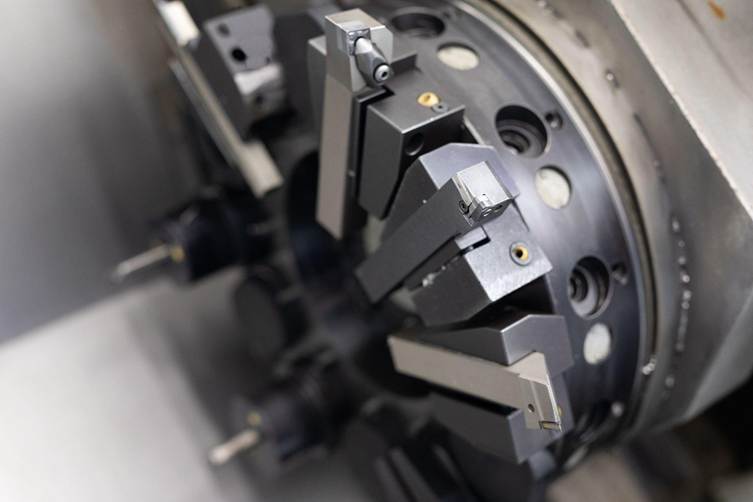
CNC machining sits at the centre of modern manufacturing, yet even the most advanced machines can slip when small details are overlooked. Every error carries a cost—time lost, material wasted, and components that fall short of specification. Precision engineering in the city-state has evolved around avoiding these setbacks, blending technical discipline with practical foresight to keep production lines stable and predictable.
1. Tool Wear and Incorrect Tool Selection
Cutting tools fail quietly. They dull slowly, lose their bite, and begin to leave subtle marks that only show up once a full batch is complete. This creeping wear can become a major problem in CNC machining, leading to chipping, poor edges, and dimensional drift—issues that directly affect firms providing CNC machining services. Precision engineering firms address this with the same level of vigilance used in quality inspection. They track tool life through sensors, run predictive maintenance schedules, and match tool coatings to the hardness of each material. They prevent the snowball effect that comes when wear goes unnoticed by treating every tool as a controlled variable.
2. Improper Machine Calibration
A CNC machine may be technically sound yet produce inconsistent parts if its calibration drifts. A slight misalignment, a loose axis, or a shift in measurement accuracy is enough to derail a production run. Firms offering precision engineering treat calibration as a non-negotiable habit, not a technical chore. They rely on laser systems, probe checks, and automated measurement routines to keep machines aligned. The goal is simple: eliminate guesswork. Once the machine’s baseline is reliable, every cut, drill, and contour follows the intended specification with far fewer surprises.
3. Programming Errors and Inaccurate G-Code
Programming introduces another layer of complexity. A single mis-typed value or incorrect tool path can transform a flawless design into a damaged workpiece. These errors are often invisible at first glance, emerging only when the machine makes an unexpected move. Programmers simulate operations using digital twins and toolpath visualisers to prevent this, allowing them to catch problematic trajectories long before the job reaches the spindle. Firms reinforce this with cross-checking protocols, ensuring that every line of G-code supports a smooth and efficient machining process.
4. Incorrect Workpiece Clamping and Fixturing
Even the best programme fails if the workpiece shifts during machining. Poor fixturing leads to vibration, chatter, and parts wandering out of tolerance. Precision engineering companies in Singapore respond by engineering fixtures as carefully as the parts themselves. They use custom clamps, modular systems, and vibration-dampening solutions that hold components rigid without deforming them. Each setup undergoes stability checks, ensuring it can withstand the cutting pressure and rotational forces expected during the job. Machining becomes far more predictable with the workpiece firmly anchored.
5. Thermal Distortion and Overheating
Heat is another subtle disruptor. Metal expands, tools heat up, and machines behave differently under thermal load. Over long cycles, this creates slight distortions that compromise precision. Firms use controlled coolant flows, thermal compensation software, and ambient temperature management to counter this scenario. These measures prevent overheating from creeping into the machining equation. They preserve tolerances and extend tool life by controlling temperature, keeping both the machine and the material in a stable operating window.
Conclusion
CNC machining errors often start small but grow quickly if not managed with discipline. Precision engineering thrives because firms understand these risks and use systems, technology, and expertise to prevent them before they affect output. Through controlled tooling, careful calibration, smart programming, secure fixturing, and thermal management, they keep machining consistent even under demanding conditions. This commitment to proactive precision is what enables reliable production in industries that cannot afford mistakes.
Contact Disk Precision Group to start your next CNC machining project with confidence today.